
_20260408_KtienkQs.PNG)
Most people don't think much about their office chair. If it rolls and adjusts, it seems fine at first. But once you spend long hours at a desk, the differences between chairs become hard to ignore.
Executive office chairs appear in both corporate offices and home workspaces. Yet many people aren't sure what truly sets them apart from a standard office chair, or whether the upgrade is worth it.
This guide breaks down what makes an executive chair different, which features actually matter, and how to decide if it fits your workspace.
What Is an Executive Office Chair?
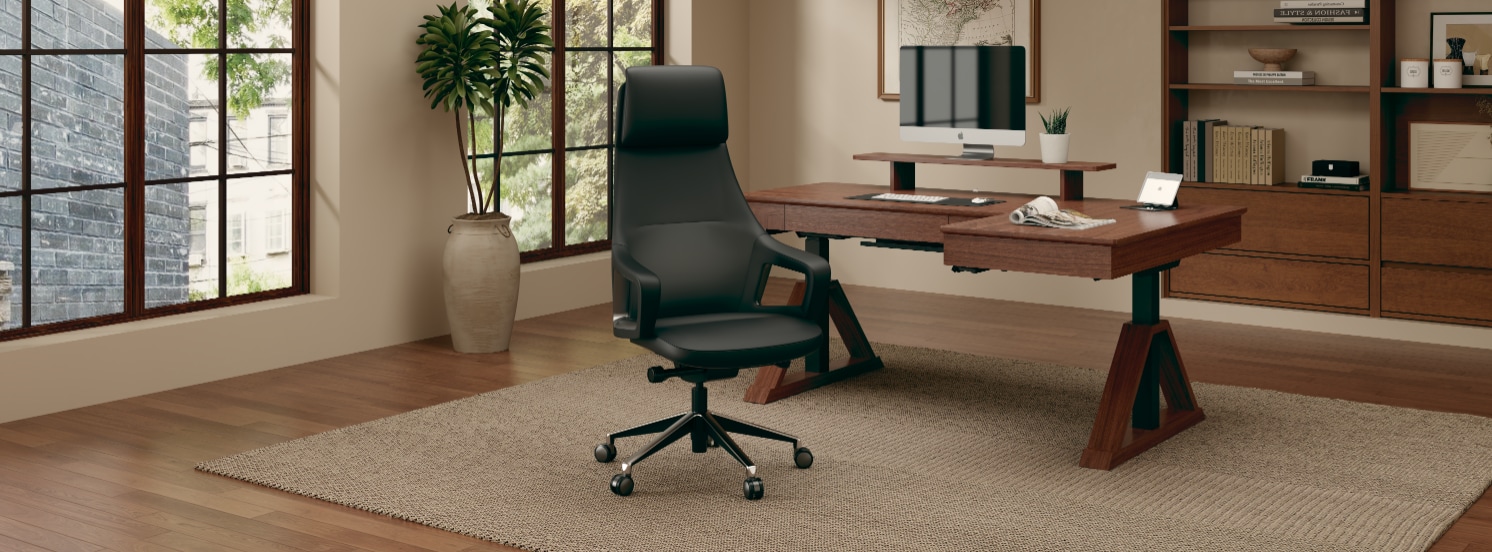
An executive office chair is generally larger, taller, and more supportive than a typical office chair. Most designs include a high back, a wider seat, and substantial cushioning. Premium materials, whether leather or high-end fabric, give it a more polished feel.
These chairs are built for anyone who spends long hours at a desk and wants reliable support throughout the day. Adjustable lumbar support, reclining options, and flexible armrests let you fine-tune your seating position for long days.
Beyond function, an executive desk chair also changes how your workspace looks and feels. A leather executive office chair adds a sense of structure to the room while staying understated.
What Makes an Executive Chair Different?
At first glance, office chairs may look similar. The differences show up once you spend a few hours in one.
Size and Presence
Executive chairs feel more substantial from the moment you sit. The seat is wider, the back taller, and the overall build has more weight. If you move around while working, the extra space helps you feel less confined.
Materials
The choice of material influences both comfort and longevity. Leather executive chairs have a smoother, firmer surface that holds up well over time and looks consistent in formal offices. Napa leather, in particular, feels soft and breathable, staying comfortable during long sessions. Fabric chairs can be cozy at first, but they often lack the same durability and polished appearance.
Comfort and Adjustability
Features like lumbar support, reclining functions, adjustable armrests, and seat depth adjustments are what make executive chairs worth it. They allow you to settle into a natural position and stay there longer without constantly shifting. A well-designed chair supports you without calling attention to itself.
Is an Executive Office Chair Worth It?
For anyone spending extended time at a desk, an executive chair is usually a worthwhile upgrade. The added space, support, and adjustability make a tangible difference over time.
That said, they aren't ideal for every situation. In smaller spaces or for occasional desk use, a standard chair may make more sense. Executive chairs are bigger and built for daily use. If you spend several hours sitting each day, the added comfort and support become noticeable and hard to go back from.
Two Executive Chairs Worth Considering
Here are two options that take slightly different approaches depending on your priorities.
FlexiSpot R7 Napa Leather Executive Office Chair
_20260408_kHYN8JJ3.png "download (1).png")
The R7 combines comfort with a classic, traditional look. Its Napa leather is soft but holds its shape well, staying comfortable over long sessions. The wider seat allows you to move without feeling constrained.
Recline adjustments are smooth and easy, and the headrest and armrests let you settle into a position without constant readjustment. Wood grain and black-silver finishes give it a professional, established appearance.
What it feels like: You sit down and the chair feels natural and supportive. It’s substantial but not stiff, letting you focus on your work rather than the chair itself.
FlexiSpot R8 Premium Ergo Executive Chair
_20260408_MEEjuv7Y.png "download (2).png")
The R8 is a modern executive chair built around movement and active support. Its FlexSacral™ lumbar system shifts as you adjust posture, maintaining support where you need it. The aluminum back frame adds stability while giving the chair a contemporary look.
With 3D armrests, a 130° recline, and breathable cushioning, the chair adapts as you change positions during the day. Long sessions feel easier because the chair actively supports your body’s movements, helping reduce strain.
What it feels like: Lean back and the chair follows. When you sit forward, the lumbar support stays with you, so you don’t have to lock yourself into one position. You can focus on your work instead of your back.
How to Choose Between Them
| If you want... | Choose | Why |
| Prefer a classic leather look and a more relaxed feel | R7 | Soft Napa leather, wider seat, and smooth recline feel |
| More room to move while sitting | R7 | Extra width gives flexibility without feeling confined |
| Modern ergonomic design with active back support | R8 | Dynamic lumbar support adjusts as you move |
| Contemporary style with high adjustability | R8 | Aluminum frame, 3D armrests, 130° recline accommodate multiple tasks |
Frequently Asked Questions
1. What’s the real difference between an executive chair and a standard office chair?
Executive chairs are generally larger and taller than standard task chairs. They use premium materials like leather and provide enhanced support and cushioning designed for prolonged sitting.
2. Can an executive office chair help with back pain?
Yes, especially if it has good lumbar support and recline options. Models like the FlexiSpot R8 focus on dynamic support that moves with you.
3. Which executive chair is right for a small home office?
Look for a streamlined design with a smaller base. Executive chairs can work well in home offices if you measure your space first.
4. How do I choose between the FlexiSpot R7 and R8?
The FlexiSpot R7 works well for those who want a classic leather aesthetic and a relaxed recline. The FlexiSpot R8 is a good fit for active workers, with dynamic lumbar support and more technical ergonomic adjustments.
Final Thoughts
An executive office chair is more than just a piece of furniture. It shapes how you sit, how long you remain comfortable, and how your workspace feels day to day.
The right choice depends on how you work and how long you spend at your desk. For anyone logging long hours each day, investing in a chair that actually supports you tends to pay off over time.
If you're thinking beyond just the chair and want to build a more complete setup, it's worth looking at how your desk and chair work together. A well-matched workspace can make a bigger difference than upgrading just one piece. See how to build a premium executive sit-stand workspace.