
_20260407_ooeZnPh2.PNG)
If you deal with back pain, your chair likely matters more than it seems. It’s not just about comfort while you’re sitting. It’s also about how your back feels a few hours later or by the end of the day.
With so many chairs labeled “ergonomic,” it’s not always obvious which ones actually make a difference and which just look good.
This guide focuses on what actually makes a difference and which chairs are worth considering for different work styles, using FlexiSpot’s ergonomic lineup as a reference point. The C7 series and R8 each take a slightly different approach to support, movement, and overall fit, which makes it easier to see how they play out in real use.
What Actually Makes a Chair Work for Back Pain
Most ergonomic chairs look similar on paper. In real use, the differences usually come down to three things: support, movement, and fit.
You tend to notice these differences once you actually start using the chair. Let’s start with the most critical factor, lumbar support.
_20260407_U53PS1lK.PNG "1280X1280 (3).PNG")
Lumbar Support: Where Most Chairs Make the Biggest Difference
If you sit for long hours with lower back discomfort, lumbar support is where the real difference shows up.
A good lumbar system keeps your spine in a natural curve and adapts as your posture shifts throughout the day. Static support often feels fine at first, but it tends to fall short once you start leaning, reaching, or adjusting your position.
That is why adaptive lumbar designs matter more than just padding or firmness.
Movement: Why Staying in One Position Causes More Problems
Even with good lumbar support, sitting still for too long is where discomfort starts to build. Small shifts, leaning back, or changing angles throughout the day all help reduce pressure on your spine.
If adjusting your position feels natural, you’ll do it more often. If it doesn’t, you’ll stay stuck longer than you should.
Fit: Why Adjustability Matters More Than Extra Features
Support and movement help, but they only work if the chair actually fits your body.
A lot of back discomfort comes from small mismatches: the lumbar support sits slightly too high, the seat is a bit too deep, or your shoulders don't quite line up with the backrest. None of this feels obvious at first, but over a full day, it adds up.
That's why adjustability matters more than most extra features. When a chair fits you properly, you stop noticing it. And that's usually a good sign.
C7: A Balanced Starting Point
The C7 keeps things straightforward, but it covers the essentials well. Its adaptive lumbar support can be adjusted forward and backward, so you can bring the support closer to your body instead of forcing your posture to match the chair.
For many people, that’s all you really need.
C7 Max: Better for Longer Sitting Sessions
If you regularly sit for extended hours, the C7 Max adds more sustained support where it counts.
Its seat combines foam with a thin latex layer to reduce pressure buildup without losing structure. The lumbar support remains adaptive, and the overall back support feels more stable during long periods of sitting.
It also reclines up to 135°, making it easier to shift positions and take pressure off your lower back throughout the day.
C7 Morpher: More Active Back Support
For users who are more sensitive to back strain, or who tend to shift positions often, the C7 Morpher focuses more on how the back is supported in motion.
Its lumbar system combines adaptive support with an air-assisted structure, giving it a more responsive feel as you lean or change posture. The backrest moves along a sliding track, so the support stays aligned with your spine instead of staying fixed in one position.
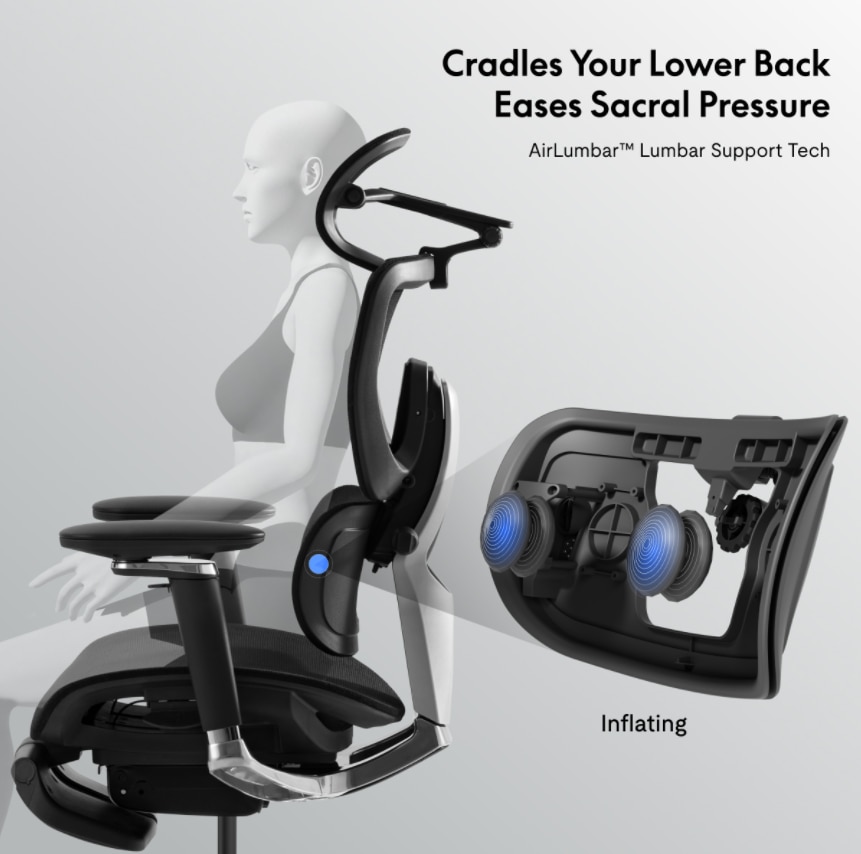
Ergonomic chair with adaptive lumbar support
It also includes a forward tilt function. A slight forward angle helps maintain a more natural spinal curve when you lean in to focus, where many chairs tend to lose proper support.
R8: A More Relaxed Sitting Style
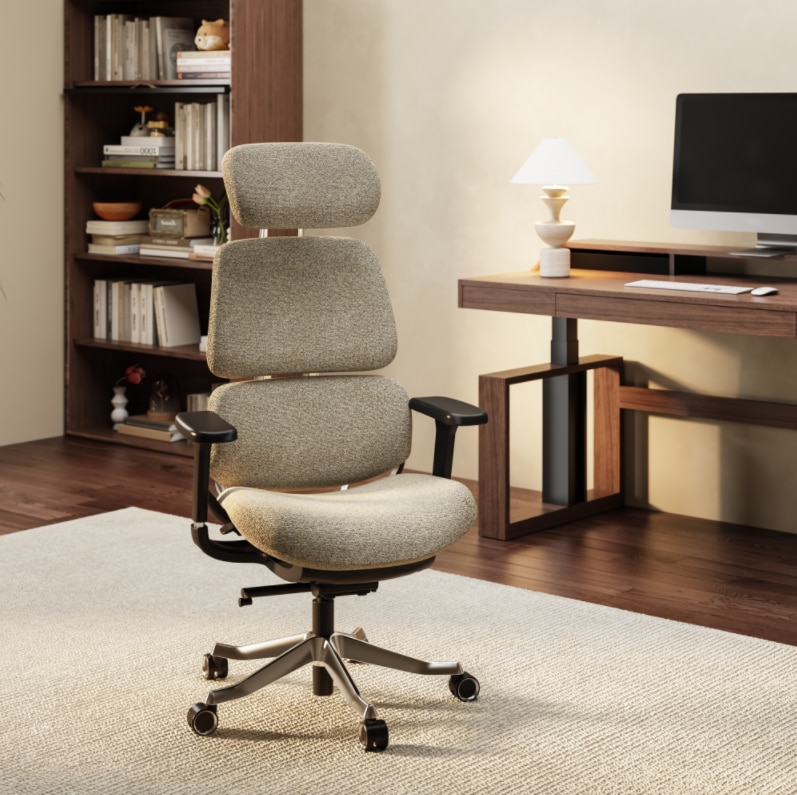
The R8 leans more toward comfort and a more relaxed sitting rhythm. It works especially well if you tend to recline or move between focused work and lighter tasks during the day.
Rather than relying on stronger lumbar support, it helps reduce back strain by encouraging position changes and lowering continuous pressure on your spine. For some users, especially in executive or less desk-bound setups, that can feel more sustainable over time.
How They Compare
Here’s a quick look at how they compare in terms of back support and long-hour comfort.
| Model | Lumbar Support | Back Support Behavior | Best For |
| C7 | Adaptive lumbar, adjustable depth | Stable, straightforward support | Everyday use, basic back comfort |
| C7 Max | Adaptive lumbar | More stable over long sessions | Long hours, pressure relief |
| C7 Morpher | Adaptive + air-assisted lumbar | Dynamic support that moves with you | Active sitting, stronger support |
| R8 | Basic lumbar support | Relaxed support that encourages position changes | Executives, lighter use, frequent reclining |
Not all back relief comes from stronger support. For some users, reducing pressure through position changes can be just as important.
Quick Decision Guide
- Go with C7 if you want a reliable, adjustable lumbar system without overcomplicating things. It works well for most setups and moderate daily use.
- Pick C7 Max if you sit for long hours and need more consistent support and pressure relief throughout the day.
- Choose C7 Morpher if back support is your top priority, especially if you tend to move, lean forward, or change posture frequently.
- Or consider R8 if you prefer a more relaxed sitting rhythm and tend to recline or shift between focused work and lighter tasks throughout the day.
Once you have a sense of how they compare, the next question is usually about value, and whether spending more actually changes your day-to-day comfort.
Do You Need to Spend a Lot?
Not necessarily.
High-end chairs feel more refined, but many mid-range options already cover what most people need:
- Proper lumbar support
- A usable recline range
- Enough adjustability for daily work
What matters more is whether the chair matches how you actually sit and work.
A Quick Note on Premium Brands
If you are wondering how chairs like the C7 series compare to established premium brands such as Herman Miller, Steelcase, and Humanscale, here is a quick reference.
These brands spend years refining details that matter:
- The Aeron focuses on pressure distribution across the seat and back
- The Leap adapts well to movement and shifts with your posture
- The Freedom adjusts recline automatically based on your position
They are built to last, often with 10 to 12 year warranties. The trade-off is price. Premium models typically cost two to three times more than a well-equipped mid-range chair.
For many people, a well-designed mid-range chair like the C7 series already covers the essentials without reaching premium pricing. Premium brands offer more refinement in materials and movement, but you are not giving up core support by choosing a well-designed alternative.
Build a Setup That Works
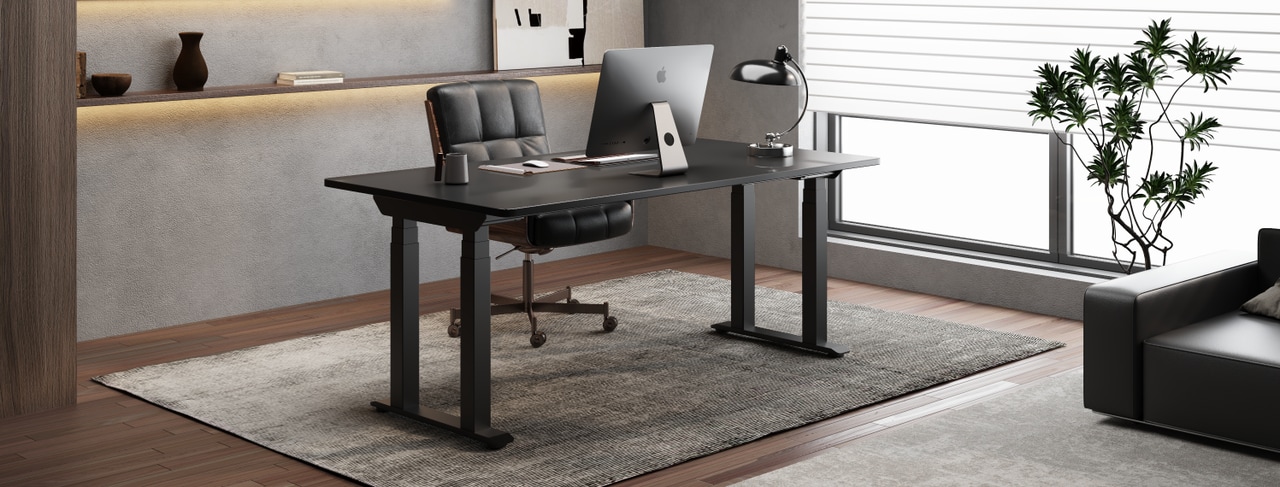
A good chair helps, but it is only part of the picture. Switching between sitting and standing during the day can significantly reduce pressure on your back over time.
Frequently Asked Questions
1. How does an ergonomic chair help with lower back pain?
It promotes neutral spinal alignment. A dedicated lumbar curve mirrors your lower spine, reducing disc pressure and preventing the "slumping" that causes most workday back strain.
2. Manual vs self-adjusting lumbar support: what’s the difference?
Manual locks into a fixed position, good for static postures. Self-adjusting (dynamic) moves with you, ideal for active sitters who lean forward or recline often.
3. Does seat depth matter for back health?
Yes. If the seat is too deep, it cuts off circulation or pulls you away from the backrest. Proper depth keeps your back against the lumbar support with a two-finger gap at the knees.
4. Is a headrest necessary on an ergonomic chair?
Only if you recline often (e.g., meetings or reading). It supports your head and reduces neck strain, but is less critical for forward-leaning tasks.
5. Can ergonomic chairs help with upper back and neck tension?
Yes. A high backrest and adjustable armrests stabilize your shoulders, preventing "shrugging" that leads to neck and upper trap tension.
6. What should I look for in a chair for 8+ hours of sitting?
Prioritize breathable mesh or high-density foam, a wide recline range (up to 130°), and dynamic lumbar support. When comparing high-performance options, models like the FlexiSpot C7 series are often cited as benchmarks for balancing active spinal protection with all-day breathability.
Final Thoughts
A good ergonomic chair is not just about how it feels at first. What matters more is how your body feels a few hours later, after you’ve stopped thinking about the chair.
Focus on the essentials and match them to how you actually work. That is what tends to make the biggest difference over time.