
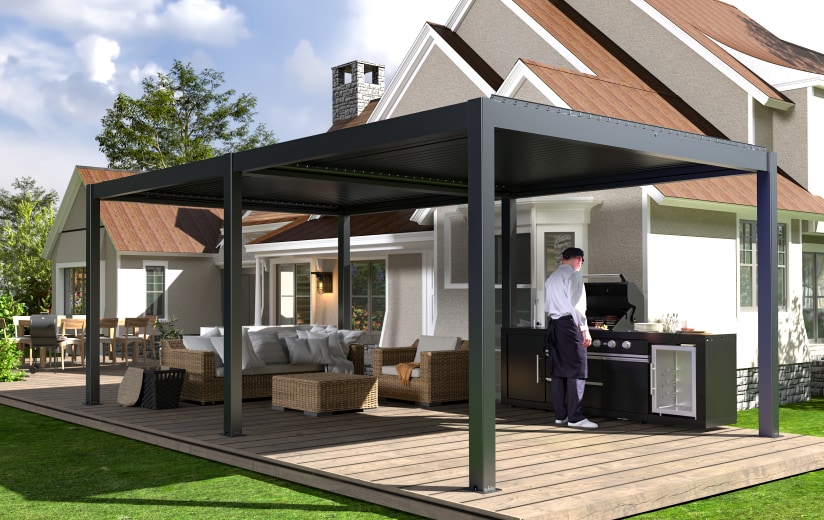
Thinking about adding a pergola to your backyard but not sure if it will actually provide enough shade? You’re not alone. While traditional pergolas offer a charming, open-air feel, their ability to block sunlight depends heavily on design and added features. From climbing vines to retractable canopies and advanced louvered roofs, there are plenty of smart ways to enhance pergola shade. In this guide, we’ll explore whether pergolas really provide shade, the benefits of shading, the best shade solutions, and how to choose or upgrade your setup for maximum comfort and style.
Do Pergolas Provide Shade?
Yes, pergolas can provide shade—but how much depends on their design and any additional shading features you add. On their own, traditional pergolas with open slats offer partial shade, creating a dappled light effect rather than full coverage. However, with the right enhancements—like climbing plants, fabric canopies, or adjustable louvered roofs—they can offer significant protection from direct sunlight.
Wondering why shade matters so much for your pergola? Let’s explore further the main benefits of adding effective shading.
Benefits of Shade for Pergola
Adding shade to your pergola isn’t just about style — it brings a host of practical benefits that can transform your outdoor space into a comfortable and inviting retreat. Here are the details:
1. UV Protection and Cooling
One of the biggest advantages of pergola shade is its ability to block harmful UV rays. Many pergola covers and fabrics are made from UV-resistant materials, helping protect your skin and your guests from sunburn and long-term damage. Beyond safety, shaded areas can be up to 6 degrees cooler than those exposed to direct sunlight, offering welcome relief on hot summer days and making your outdoor space much more enjoyable.
2. Weather Resistance and All-Season Use
Shade solutions like canopies, roofs, and durable fabrics also shield you from more than just the sun. They protect against wind, light rain, and even snow, allowing you to use your pergola year-round without worrying about sudden weather changes. This means you can host outdoor dinners or relax outside comfortably regardless of the season.
3. Enhanced Comfort and Extended Outdoor Time
With the right shading, your pergola becomes a cool, shaded sanctuary that invites you to spend more time outdoors. You’ll find it easier to enjoy activities like reading, dining, or simply unwinding without the discomfort of glaring sun or overheating. Shade extends the hours you can comfortably use your patio, turning it into a versatile living area.
4. Privacy Enhancement
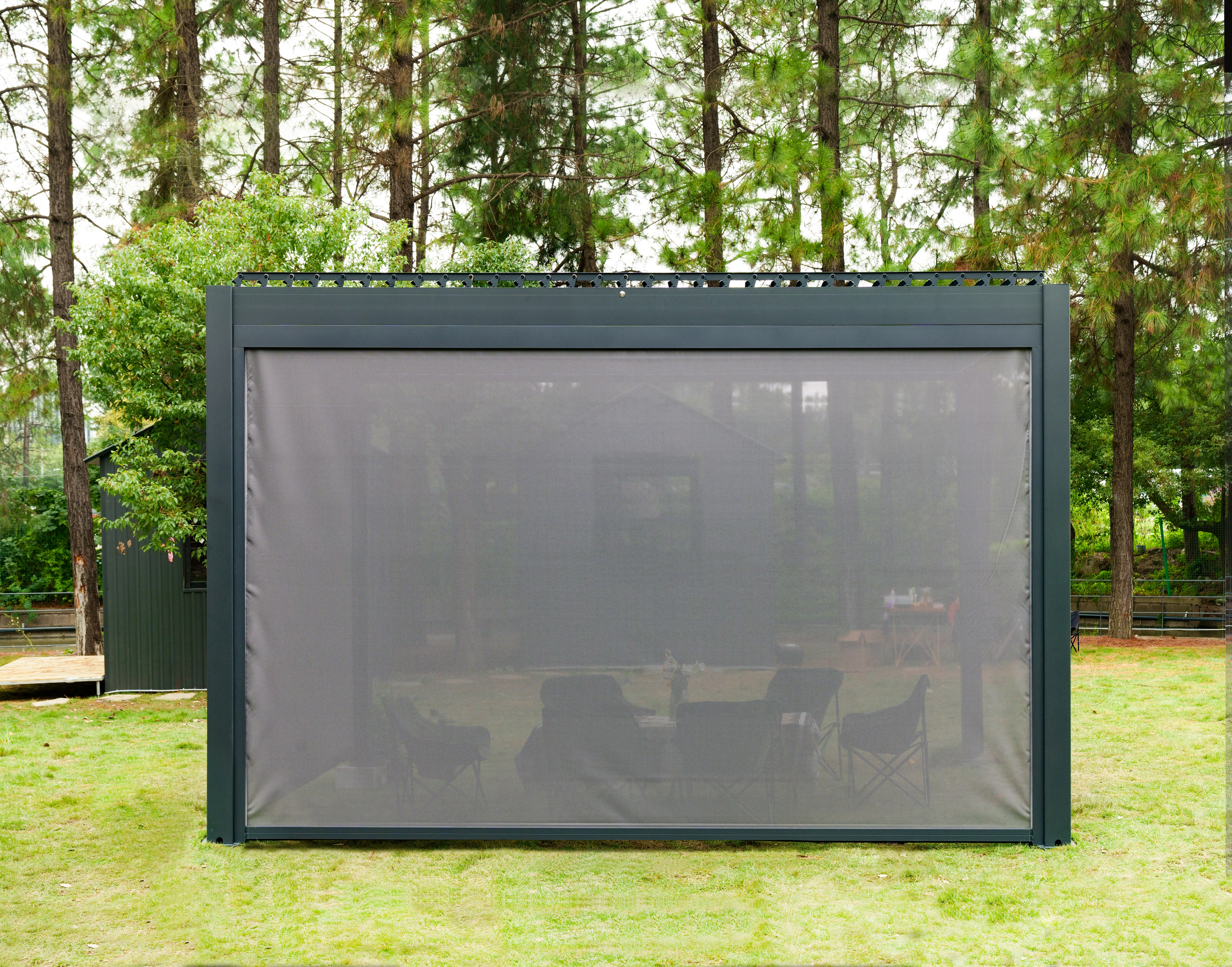
Shade options such as fabric curtains, screens, or even climbing vines can add a layer of privacy to your pergola space. These barriers help create a cozy, intimate atmosphere by blocking the view from neighbors or passersby. Whether you want a quiet spot for relaxation or a private setting for social gatherings, shaded pergolas offer a perfect solution.
5. Protection of Outdoor Furniture
Sun, wind, and rain can all take a toll on outdoor furniture, causing fading, damage, or displacement. Pergola shades help protect your cushions, tables, and décor by reducing exposure to harsh elements. This not only preserves your investment but also keeps your outdoor space looking fresh and inviting for longer.
6. Mosquito and Insect Control
Certain shade options, such as screened enclosures or mesh curtains, can help keep mosquitoes and other pests at bay. This allows you to enjoy peaceful evenings outside without the nuisance of insect bites, making your pergola a true haven for relaxation and entertainment.
By incorporating shade into your pergola design, you’re enhancing comfort, safety, and usability — all while adding style and value to your outdoor living space. So, what factors will influence the effectiveness of a pergola's shade? Let's read on.
Factors That Influence Pergola Shade
So, how much shade do pergolas provide? That depends on a variety of design choices and environmental conditions. From the direction your pergola faces to the type of roof it uses, each detail plays a role in determining the level of comfort and coverage it offers. Let’s break down the key factors that influence pergola shade:
1. Slat Spacing and Roof Design
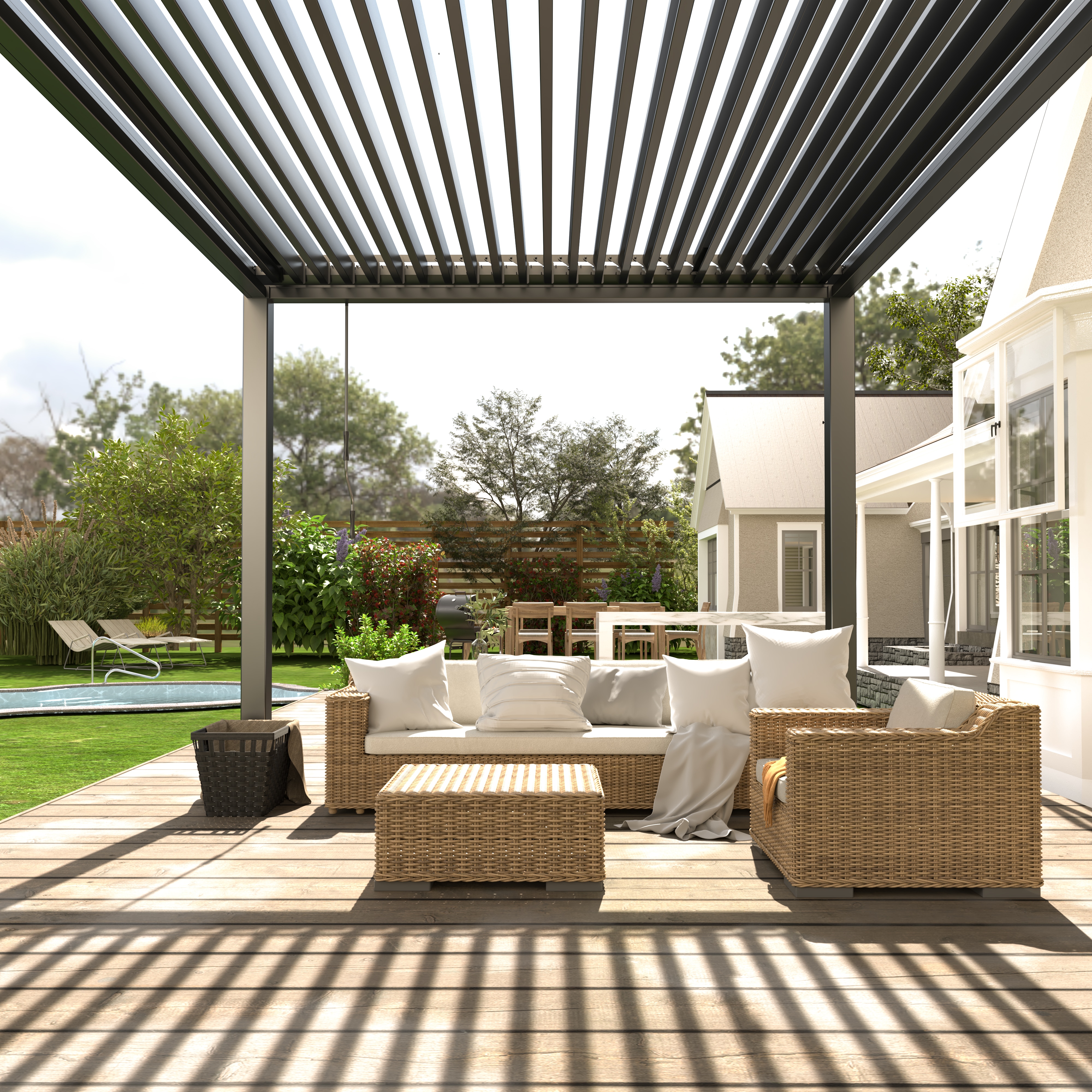
One of the most important factors is the design of the roof — specifically, how the rafters or slats are spaced and angled. Pergolas with widely spaced slats create an open, airy feel but allow more sunlight to filter through. Tighter spacing or angled slats can significantly increase the amount of shade, especially during midday when the sun is overhead. Some modern pergolas also offer adjustable louvers that can tilt to control sunlight exposure throughout the day.
2. Orientation and Sun Path
How to position a pergola for shade is a common question, and for good reason — the orientation of your pergola has a big impact. A structure facing east-west may block more direct sunlight during morning and late afternoon hours, while a north-south alignment could offer more balanced but lighter shade throughout the day. Local climate and seasonal sun angles also matter: summer sun sits higher in the sky, while in winter it travels lower, affecting shadow length and intensity.
3. Pergola Height and Placement
Taller pergolas can let in more light from the sides, especially in the early morning or late afternoon. Lower structures generally cast deeper, more concentrated shade. Placement also matters — installing your pergola with shade next to a wall, fence, or tree can increase shadow coverage, while open areas will be more exposed.
4. Roof Material and Accessories
Materials play a big role in how much shade a pergola provides. Wood or aluminum slats, fabric canopies, or polycarbonate roof panels all perform differently when it comes to blocking light and UV rays. Solid roof pergolas or those with retractable canopies offer the most flexibility and protection. Adding curtains, screens, or pergola sides enhances both shade and privacy, allowing you to fine-tune your outdoor comfort.
5. Surrounding Environment
The structures and landscape around your pergola influence how much natural shade it receives. Nearby trees, buildings, or walls can cast shadows over your pergola during parts of the day, offering bonus coverage — or, in some cases, blocking desired sunlight. When planning your outdoor space, it’s worth considering how the sun interacts with the environment at different times.
6. Pergola Color and Finish
Surprisingly, color can also affect perceived shade and comfort. Lighter-colored pergolas reflect more sunlight, helping the area feel cooler, while darker finishes may absorb heat but can create a cozier, more shaded appearance. Combined with UV-resistant coatings or finishes, these choices can impact both aesthetics and function.
Types of Pergola Shade Solutions
There’s no one-size-fits-all when it comes to pergola shading—your ideal solution depends on your climate, design preference, and how much control you want over sun exposure. From natural greenery to modern motorized louvers, here are the most popular pergola shade options to consider:
1. Climbing Plants and Greenery
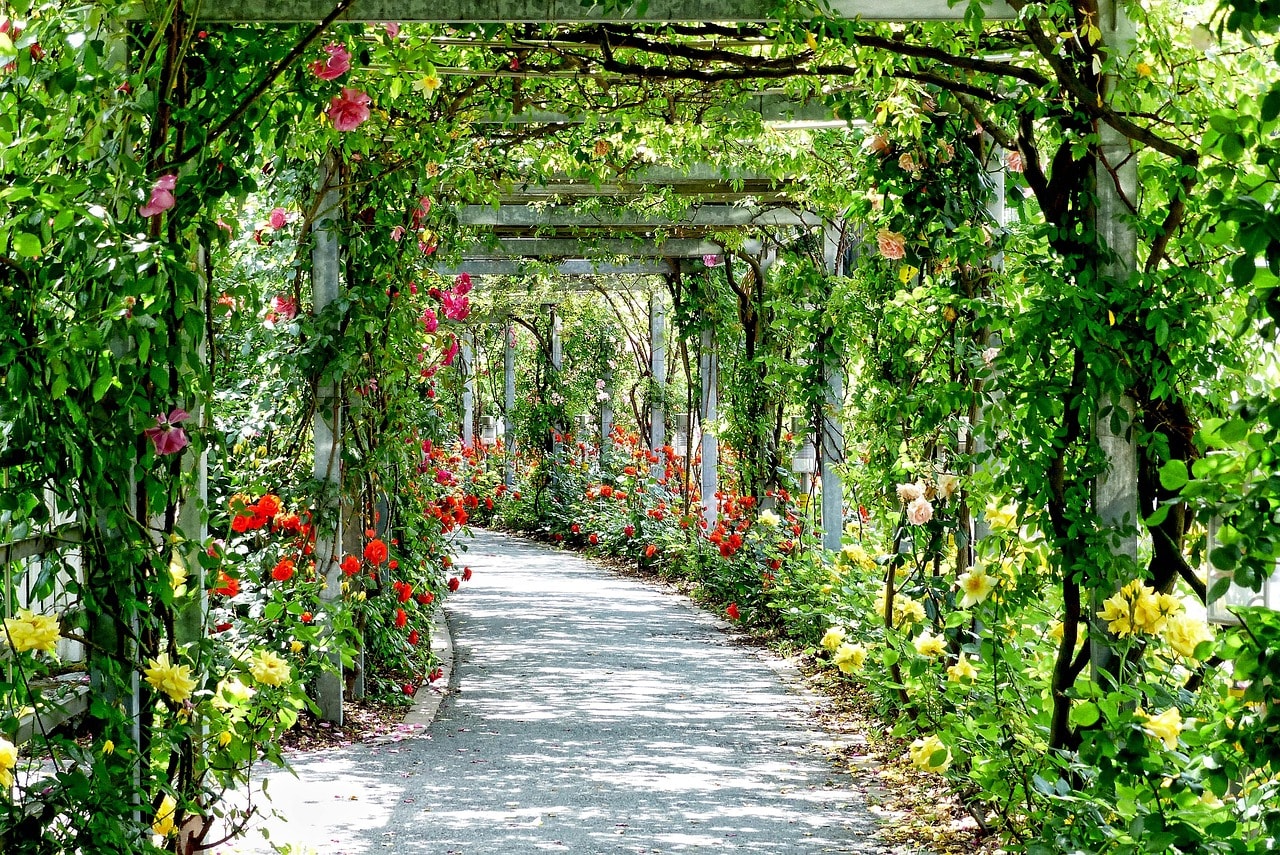
For those who love a lush, organic feel, climbing plants like wisteria, grapevines, or ivy can turn your pergola into a living canopy. As the foliage thickens over time, it offers filtered, dappled shade that evolves with the seasons. It takes patience and care—but the result is undeniably charming.
2. Retractable Canopies
Want flexibility? Retractable fabric canopies let you open up to the sun or close off for shade in seconds. Whether manual or motorized, they’re a favorite for those who like to adapt their space depending on time of day or weather. Many modern versions are UV-resistant and water-repellent for extra protection.
3. Shade Sails
Modern and minimalist, shade sails are large fabric panels (often triangular or rectangular) that attach to the pergola’s frame. They offer striking visual appeal and solid sun protection. Available in various colors and materials, they’re great for creative layouts.
4. Louvered Roof Systems
A sleek, contemporary solution, louvered roofs feature adjustable slats—often made of aluminum—that you can tilt to control light and ventilation. Some models are even motorized for easy remote control. When closed, they also provide excellent protection from rain or wind.
5. Outdoor Curtains and Drapes
Add a romantic, soft touch with outdoor curtains. These can be pulled closed to block sunlight from the sides, reduce glare, or simply add privacy. Use sheer panels for breezy elegance, or go with heavier fabric for better sun protection.
6. Shade Cloth and Tension Fabrics
For a budget-friendly and lightweight option, shade cloths can be draped or stretched across your pergola’s top. Tension fabric setups use taut material to create a clean, modern look while providing effective UV filtering.
7. Lattice Panels
A traditional favorite, wooden or metal lattice panels create partial shade while maintaining an open feel. You can layer additional materials—like climbing plants or fabric—on top to adjust the amount of sun that filters through.
8. Permanent Roof Panels
If year-round coverage is a must, fixed roofing like polycarbonate sheets, corrugated metal, or insulated panels can be installed on top of your pergola. These offer the highest level of sun and rain protection but reduce natural light compared to other options.
9. Smart Pergolas
Tech lovers, take note: smart pergolas with motorized louvers or retractable roofs let you control sun, wind, and even rainfall with the push of a button. Some even integrate with weather sensors or smart home systems, offering convenience and comfort in any condition.
| Shade Solution | Look & Feel | Sun Protection | Flexibility | Notes |
| Climbing Plants | Natural, lush | Moderate | Low | Seasonal changes, requires maintenance |
| Retractable Canopies | Soft, modern | High | High | Manual or motorized |
| Shade Sails | Modern, minimalist | Moderate–High | Medium | Creative layouts, wind-sensitive |
| Louvered Roofs | Sleek, modern | Adjustable | High | Motorized options available |
| Outdoor Curtains | Romantic, cozy | Low–Moderate | High | Great for privacy too |
| Shade Cloth/Tension Fabric | Simple, budget | Moderate | Medium | Easy to install, replaceable |
| Lattice Panels | Traditional | Light–Moderate | Low | Can be layered with plants or fabric |
| Permanent Roof Panels | Solid, covered | Very High | None | Full rain/sun protection |
| Smart Pergolas | High-tech, modern | Adjustable | Very High | Remote controlled, weather-responsive |
How to Choose the Right Shade for Your Pergola?
Now that we’ve explored the many types of pergola shade solutions, the next question is: how do you choose the right one? Beyond simply blocking the sun, it’s about finding the perfect balance between comfort, style, durability, and budget.
1. Understand Your Purpose
Start by identifying your top priorities. Are you mainly seeking UV protection for hot summer days? Want to create a cozy reading nook with added privacy? Or are you looking to upgrade your backyard's aesthetic appeal? Clarifying your goals will help you narrow down the most suitable shade type — from retractable canopies to fixed panels or natural vine-covered options.
2. Consider Your Climate
Your local weather plays a big role in choosing the right shade.
- Hot, sunny climates: Look for UV-resistant fabrics or aluminum louvered pergola roofs that allow you to control light and airflow.
- Rainy or windy regions: Opt for waterproof and wind-resistant materials like polycarbonate panels, metal covers, or tightly woven fabric shades that stay secure during storms.
- Cold or snowy zones: Choose materials that can support heavier loads and remain functional year-round.
3. Material and Maintenance
Different materials come with different upkeep needs.
- Wood: Offers natural charm but requires sealing and regular maintenance.
- Aluminum or vinyl: More modern, durable, and low-maintenance — just a quick clean now and then.
- Fabric shades: Great for flexibility, though some may need seasonal care or replacement.
4. Design and Aesthetic Match
Your pergola shade should complement the style of your home and outdoor décor. Sleek, neutral-colored canopies suit modern homes, while woven bamboo or climbing vines pair beautifully with rustic or classic garden settings. Lighter colors can brighten the space, while darker hues add depth and drama.
5. Installation: DIY or Pro?
Many pergola shades come as DIY kits with everything included — a good option if you're handy and want to save on installation costs. But for complex systems like motorized louvered roofs or custom retractable canopies, professional help is often worth the investment.
6. Budget Wisely
Factor in both upfront costs and long-term value. A more affordable shade sail or curtain might suit occasional use, while a higher-end adjustable pergola roof adds year-round utility and can increase property value. Balance your budget with how frequently you plan to use the space.
How to Add Shade to an Existing Pergola?
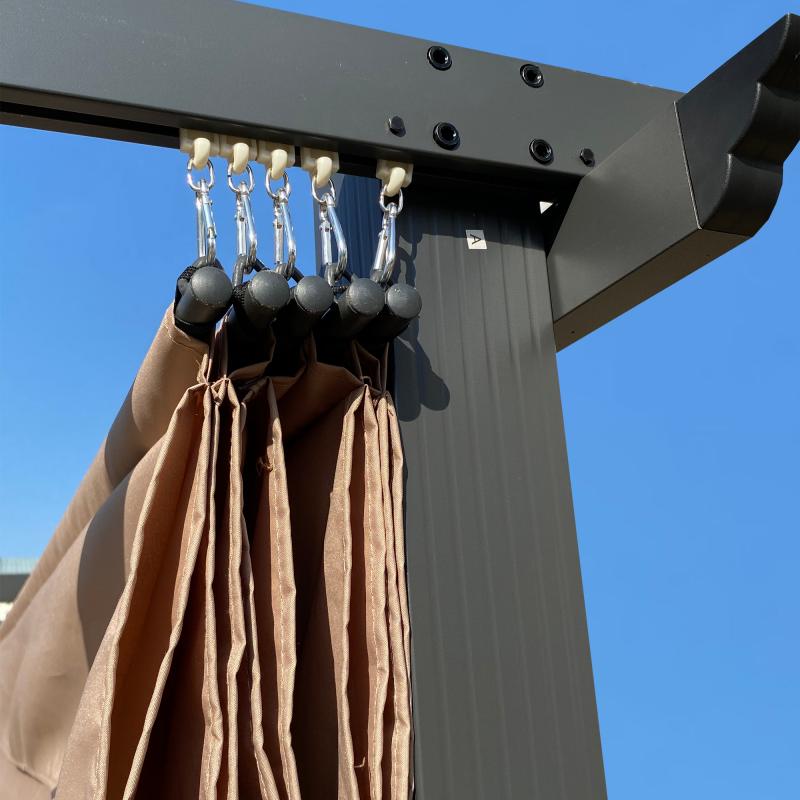
If you already have a pergola in place but find yourself squinting in the sun or ducking for cover during midday rays, don’t worry—there are plenty of practical and stylish ways to add shade to your existing pergola. Whether you're into DIY projects or prefer ready-to-use solutions, here are some of the best shade pergola ideas to consider.
1. Install a Retractable Canopy
One of the most popular solutions for adding shade to a pergola is a retractable canopy. These fabric covers can be extended during the hottest part of the day and retracted when you want more sunlight or stargazing at night.
- DIY Tip: Many retractable canopy kits are available online and include mounting brackets, glide rails, and UV-resistant fabric. Just measure your pergola frame and follow the installation instructions.
- Best for: Flexible sun control with a modern aesthetic.
2. Attach Shade Cloth or Outdoor Fabric
For a more budget-friendly option, consider using shade cloth or heavy-duty UV-blocking outdoor fabric. These can be stretched across the pergola roof and secured using grommets, zip ties, or hook-and-loop fasteners.
- DIY Tip: Use a staple gun or bungee cords to fix the fabric between rafters. Overlap panels for a layered look.
- Best for: Easy, semi-permanent sun protection that’s affordable and customizable.
3. Add Side Panels or Outdoor Curtains
Blocking sunlight from the top is helpful, but what about low-angle sun or nosy neighbors? Hanging outdoor curtains or fabric side panels not only enhances shade but also boosts privacy and adds a cozy feel.
- DIY Tip: Use curtain rods or wire cables attached to the pergola frame. Opt for fade- and mildew-resistant materials.
- Best for: Stylish sun filtering and added comfort in the evenings.
4. Use Pergola Shade Sails
Shade sails are triangular or rectangular fabric panels that can be stretched over or between pergola beams. They're a great way to introduce color and artistic flair while keeping heat at bay.
- DIY Tip: Use turnbuckles and D-rings to securely anchor the sails to existing posts or beams.
- Best for: Modern design lovers who want partial shade with visual impact.
5. Train Climbing Plants for Natural Shade
Prefer a greener, more organic approach? Vines like wisteria, grapevines, or climbing roses offer seasonal, living shade that evolves with time.
- DIY Tip: Install wire mesh or trellises along your pergola frame to guide plant growth.
- Best for: Nature lovers seeking beauty, fragrance, and dappled light.
Conclusion
Pergolas absolutely can provide shade—but how much depends on how you design and customize them. Whether you're building from scratch or enhancing an existing setup, the key lies in choosing the right shade solution for your space, climate, and lifestyle. From living greenery and shade sails to smart motorized louvers, the options are flexible and plentiful. With the right shading, your pergola becomes more than just a decorative structure—it becomes a comfortable, all-season outdoor extension of your home. Ready to upgrade your space? Consider modern, durable options like the Flexispot Aluminum Pergola for a sleek and long-lasting solution that blends style with functionality.
FAQs About Pergola Shade
1. How long do pergola shade fabrics typically last?
High-quality pergola shade fabrics, especially those with UV protection and waterproof coatings, usually last between 5 to 10 years. Longevity depends on exposure to weather, maintenance, and fabric quality.
2. Is it possible to combine different pergola shade solutions?
Absolutely. Many homeowners combine retractable canopies with climbing plants or add side curtains to achieve layered protection, enhanced privacy, and aesthetic appeal.
3. What maintenance is required for pergola shade covers?
Maintenance varies by material but typically includes regular cleaning, inspecting for tears or wear, and retreating fabrics with UV protectants if recommended by the manufacturer.
4. Can pergola shades withstand heavy rain or snow?
Solid roofs and certain durable fabric canopies are designed to handle rain and snow loads. However, lightweight fabrics like shade cloth or sails are generally better suited for sun protection rather than heavy weather.