
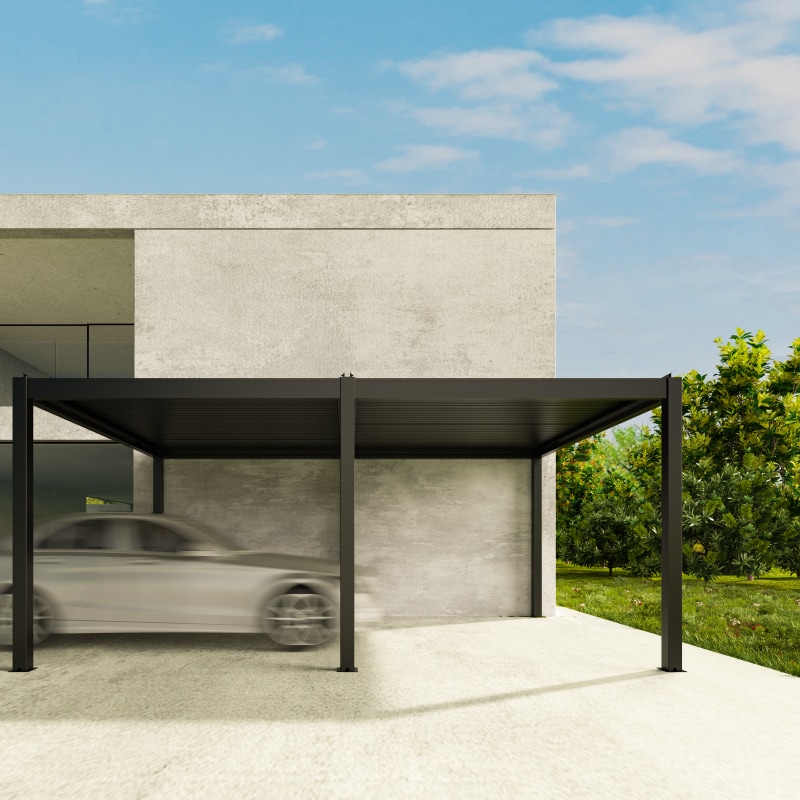
A louvered pergola is more than just a stylish shade solution—it’s a smart, year-round upgrade for any outdoor space. Whether you're building a cozy backyard retreat or a sleek patio extension, this guide walks you through the key features, material choices, common types, maintenance tips, and decoration ideas to help you find the perfect match.
What Is a Louvered Pergola and How Does It Work?
A louvered pergola is a modern outdoor structure designed to offer both style and functionality. Unlike traditional pergolas that have open beams or fixed roofs, a pergola with louvers features adjustable slats—known as louvers—that can be tilted or fully closed depending on the weather and your comfort needs.
What Makes It Different?
At its core, a louvered pergola has a roof made up of multiple horizontal slats that can rotate. These louvers function much like the blinds on a window. On sunny days, you can angle them to let in just the right amount of light or ventilation. On rainy days, you can close them entirely to create a sheltered, water-resistant space underneath.This ability to adapt makes louvered pergolas more versatile than standard pergolas or gazebos. They allow homeowners to enjoy the outdoors year-round, without worrying about too much sun or sudden rain.
Key Components and Structure
Structurally, a louvered pergola typically includes:
- Vertical posts to support the frame
- Overhead beams forming the rectangular outline of the roof
- Adjustable louvers that rotate along their axis
- A control mechanism, which can be manual (via a crank) or motorized (electric or smart control systems)
Modern designs often include integrated gutters that collect and redirect rainwater when the louvers are closed, helping to keep your patio or deck dry.
How Do Pergola Louvers Work?
The operation of a louvered roof is surprisingly simple—and quite ingenious. The louvers are connected to a mechanism that allows them to pivot in unison. This can be:
- Manual, using a hand crank or lever
- Motorized, using a remote, wall switch, or mobile app
- Smart-enabled, with sensors that respond to rain, wind, or sunlight
When the louvers are open, you can enjoy the sky, natural light, and airflow. When angled, they offer shade without completely blocking the view. And when fully closed, they form a sealed surface that helps protect against the elements.

Benefits of Pergola with Louvers
Installing a louvered pergola is one of the smartest ways to elevate your outdoor living space. Compared to traditional pergolas with fixed beams or open grids, a pergola with louvers brings a modern twist—offering enhanced comfort, flexibility, and all-weather usability. Here are some of the potential benefits of a louvered roof pergola:
1. Adjustable Shade and Light Control
One of the standout features of a louvered pergola is the ability to tilt the slats (louvers) to let in just the right amount of light. On cooler days, open them wide to soak up the sun. On hot afternoons, angle them to block harsh rays while still enjoying the fresh air. This dynamic control is something traditional pergolas simply can't offer.
2. Weather Protection, Rain or Shine
With a traditional pergola, you’re out of luck when it starts to rain—unless you’ve added a tarp or fabric canopy. A louvered pergola, however, can close its slats to form a solid, water-resistant roof. Some models even feature built-in drainage systems, redirecting rainwater away from your space so you can stay dry and comfortable underneath.
3. Improved Ventilation and Airflow
The adjustable design of a pergola with louvers isn’t just about shade—it’s also about comfort. Tilting the louvers upward allows warm air to escape and cool breezes to circulate through, keeping your patio area fresh and breathable, especially during warm or humid weather.
4. Stylish and Modern Look
A louvered pergola adds sleek, contemporary style to your backyard or patio. With clean lines and customizable colors, sizes, and materials (often aluminum for durability), these structures suit both modern homes and more classic settings. Compared to the rustic charm of wood pergolas, louvered versions bring a more architectural, refined feel to your space.
5. Low Maintenance and Long-Lasting
Most louvered pergolas are built from powder-coated aluminum or other weather-resistant materials. They won’t rot, warp, or require frequent staining like wood pergolas, making them a low-maintenance and long-lasting investment.
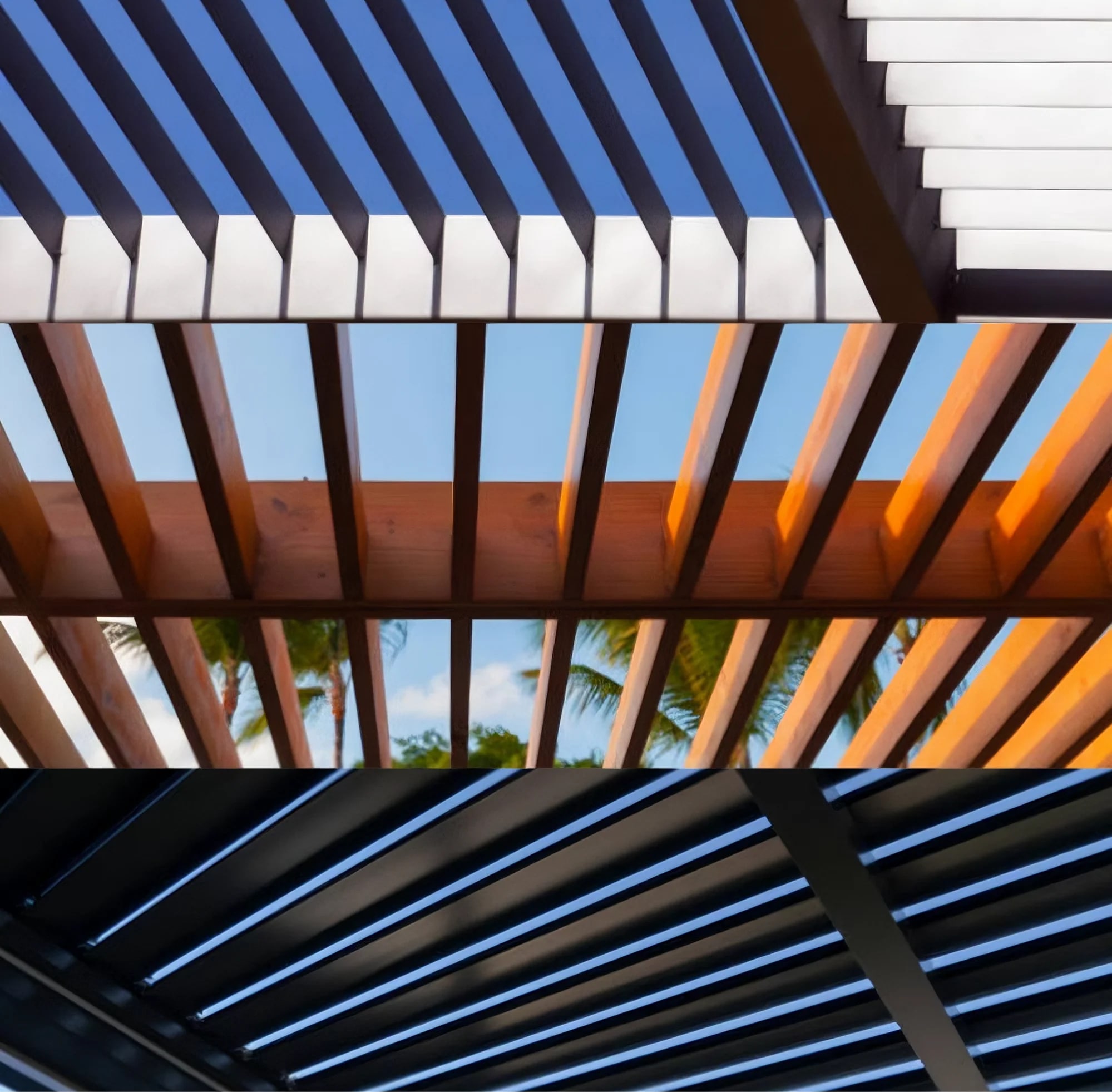
Louvered Pergola Roof Materials
When choosing a louvered pergola, one of the most important decisions you'll make is the material for the roof—specifically, the louvers themselves. The material not only affects durability and aesthetics but also determines how much maintenance you'll need over time. Here’s a look at the most common materials used for pergola with louvers, along with their pros, cons, and ideal use cases:
1. Aluminum
Aluminum is by far the most popular material for modern outdoor louvered pergolas—and for good reason. It’s lightweight, resistant to rust and corrosion, and requires very little upkeep. Most high-end louvered pergolas today feature powder-coated aluminum louvers in a variety of colors and finishes.
- Pros: Extremely durable, low-maintenance, weather-resistant, sleek modern look
- Cons: Higher upfront cost than wood or vinyl
- Best for: Homeowners who want a long-lasting, modern, and hassle-free structure
2. Wood
Wooden louvers offer a warm, natural aesthetic that blends well with gardens or rustic outdoor spaces. However, wood comes with higher upkeep requirements. To preserve its look and function, it must be regularly stained or sealed to protect against moisture, insects, and decay.
- Pros: Timeless appearance, customizable with stains or paint
- Cons: High maintenance, prone to warping, rot, and pest damage
- Best for: Traditional-style homes and those who don’t mind the upkeep
3. Vinyl
Vinyl is a budget-friendly option for louvered pergolas. It’s resistant to mold and requires minimal maintenance, making it appealing to homeowners looking for an easy-care solution. However, it may not offer the same strength or lifespan as aluminum, and extreme temperatures can cause fading or warping over time.
- Pros: Affordable, low-maintenance, available in multiple styles
- Cons: Less durable, may warp or discolor in harsh climates
- Best for: Cost-conscious buyers in mild climates
| Material | Pros | Cons | Best For |
| Aluminum | Durable, rust-proof, modern, low-maintenance | More expensive | Modern homes, minimal upkeep |
| Wood | Classic look, customizable finish | High maintenance, weather-sensitive | Traditional aesthetics, natural surroundings |
| Vinyl | Budget-friendly, easy care | Less durable, can fade or warp | Mild climates, low-budget projects |
Types of Louvered Pergolas
In addition to material differences, louvered pergolas also vary in terms of functionality, operation methods, and installation styles. Understanding the pros, cons, and best-use scenarios of each type can help you make the most informed choice for your outdoor space. So, let’s continue to explore the different types of louvered pergolas.
1. Fixed vs. Adjustable
- Fixed Louvered Pergola: Fixed louvered pergolas feature stationary slats that do not move. These are designed primarily for aesthetics and consistent shade. While they provide partial sun protection, they lack the flexibility to adapt to changing weather or lighting conditions.
- Best for: Homeowners looking for a cost-effective, low-complexity option with a consistent roof design.
- Adjustable Louvered Pergola: In contrast, adjustable louvered pergolas have slats that can rotate to open or close depending on your needs. This flexibility allows you to control sunlight, airflow, and even rain protection with ease—ideal for year-round use.
- Best for: Those wanting a versatile and functional outdoor space that adapts to the weather.
2. Manual vs. Electric vs. Smart
- Manual Louvered Pergola: A manual louvered pergola is operated by a crank or handle, allowing you to manually adjust the louvers to the desired angle. These systems are typically more affordable and don’t rely on power sources.
- Pros: Budget-friendly, no wiring needed, simple to maintain
- Cons: Requires physical effort, less convenient for large pergolas
- Ideal for: Smaller patios, DIY-friendly installations, or budget-conscious buyers
- Electric Louvered Pergola: An electric louvered pergola uses a motorized system to control the movement of the louvers, usually via a remote control or wall switch. It’s a great option for larger pergolas where manual adjustments would be cumbersome.
- Pros: Easy to use, efficient for large spaces
- Cons: Requires power source, higher cost than manual options
- Ideal for: Medium to large outdoor areas, users seeking convenience
- Smart Louvered Pergola: The most advanced option, a smart louvered pergola connects to your smartphone, tablet, or voice assistant (like Alexa or Google Assistant). Some models even feature automatic sensors that adjust the louvers based on sunlight, wind, or rain.
- Pros: Ultimate convenience, weather-responsive, modern tech integration
- Cons: Highest price point, may require professional setup
- Ideal for: Tech-savvy homeowners, luxury outdoor living spaces
3. Wall Mounted vs. Freestanding
- Wall Mounted Louvered Pergola: These are attached directly to an exterior wall of your home or building. A wall mounted louvered pergola is ideal for extending indoor living spaces like patios or decks, providing a seamless indoor-outdoor flow.
- Pros: Space-efficient, integrated design, cost-effective support structure
- Cons: Requires a solid mounting wall, limited placement flexibility
- Best for: Smaller yards, patios, or townhomes with adjacent outdoor access
- Freestanding Louvered Pergola: A freestanding pergola stands independently and can be placed anywhere in the yard—by the pool, in a garden, or as a central feature. It offers full layout flexibility and is perfect for large open spaces.
- Pros: Flexible location, statement piece, 360° access
- Cons: Requires more materials/support, may need concrete footings
- Best for: Larger backyards, poolside installations, open landscaping
How Much Does a Louvered Pergola Cost?
When planning for a louvered pergola, cost is often one of the first considerations. Prices can vary widely depending on materials, size, features, and whether it's a manual or motorized system. Compared to traditional open-roof pergolas, louvered models typically come with a higher price tag—but they offer more in terms of functionality, durability, and year-round usability.
1. Manual vs. Motorized Systems
- Manual louvered pergolas are the most budget-friendly option, with prices starting around $2,000 to $5,000 for a standard 10'×10' size.
- Motorized louvered pergolas, which feature electric or remote-controlled systems, usually range from $6,000 to $12,000 or more, depending on the brand, control system, and added tech like rain sensors or smart-home integration.
2. Material Matters
- Aluminum louvered pergolas are the most popular and durable, but also cost more—expect $50 to $100 per square foot installed.
- Wood versions offer a more classic look but require more upkeep, typically ranging from $40 to $80 per square foot.
- Vinyl or composite pergolas are more affordable, starting around $30 to $60 per square foot, but may lack the strength and longevity of aluminum.
3. Custom Features and Installation
Add-ons like integrated lighting, heaters, drainage systems, or custom colors can significantly increase the total cost. Professional installation also adds to the budget—often $1,000–$3,000 depending on complexity.
| Type | Price Range | Notes |
| Manual Louvered Pergola | $2,000 – $5,000 | Best for basic use, no motor required |
| Motorized Pergola | $6,000 – $12,000+ | Includes electric or remote control |
| Smart Pergola | $10,000 – $20,000+ | Smart sensors, app/voice integration |
| Aluminum Pergola | $50 – $100/sq ft | Durable, modern, low-maintenance |
| Wood Pergola | $40 – $80/sq ft | Traditional look, higher maintenance |
| Vinyl/Composite Pergola | $30 – $60/sq ft | Budget-friendly, less durable |
How to Maintain and Clean a Louvered Pergola?
To keep your louvered pergola looking great and functioning smoothly, regular maintenance and proper cleaning are key. Whether you have a manual louvered pergola, a motorized system, or a smart model, following a few simple steps can help extend its lifespan and prevent costly repairs down the line.
Tools You’ll Need
Before getting started, gather these essentials:
- Soft-bristle brush or microfiber cloth
- Mild detergent or dish soap
- Garden hose with a spray nozzle (avoid pressure washers)
- Silicone-based lubricant (for moving parts)
- Screwdriver or wrench (for checking fasteners)
- UV protectant spray (for aluminum finishes)
- Ladder or step stool
Louvered Pergola Cleaning Guide: Step-by-Step
1. Remove Debris
Clear off any leaves, twigs, dust, or bird droppings using a dry brush or leaf blower. Pay attention to tracks, hinges, and corners.
2. Wash the Louvers
Mix warm water with mild detergent in a bucket. Gently scrub each louver and the frame using a soft cloth or brush. Avoid abrasive tools that could scratch the surface.
3. Rinse Thoroughly
Use a garden hose to rinse off soap residue. Be cautious around motorized parts—avoid spraying directly on motors or electrical connections.
4. Dry the Surfaces
Let the louvers air dry, or wipe them down with a soft cloth to avoid water spots.
5. Inspect and Lubricate Moving Parts
If your pergola is adjustable or motorized, check for any signs of wear or stiffness. Apply a silicone-based lubricant to joints and pivot points to keep movement smooth.
6. Check for Damage
Tighten any loose screws, examine the coating for chips or corrosion, and touch up with paint if needed. Address rust or cracks early to avoid bigger issues later.
Seasonal Maintenance Tips
Different weather conditions call for different care routines:
- Spring: Give your pergola a deep clean after winter. Check for rust, corrosion, or any structural damage caused by cold or moisture.
- Summer: Wipe down surfaces regularly to remove dust and pollen. Apply UV protectant spray to preserve powder-coated finishes.
- Fall: Remove fallen leaves frequently to prevent clogging of gutters or drainage channels. Inspect the louvers to ensure they’re still sealing properly.
- Winter: If your area experiences snow or freezing temperatures, shut down the motorized system. Tilt the louvers slightly open or cover the pergola to prevent snow buildup.
Bonus Tips for Longevity
- Clean at least once a month or after storms.
- Avoid bleach, ammonia, or abrasive cleaners that could damage finishes.
- Keep plants or vines trimmed to prevent interference with the louvers.
- Align pergola maintenance with your regular patio cleaning routine.
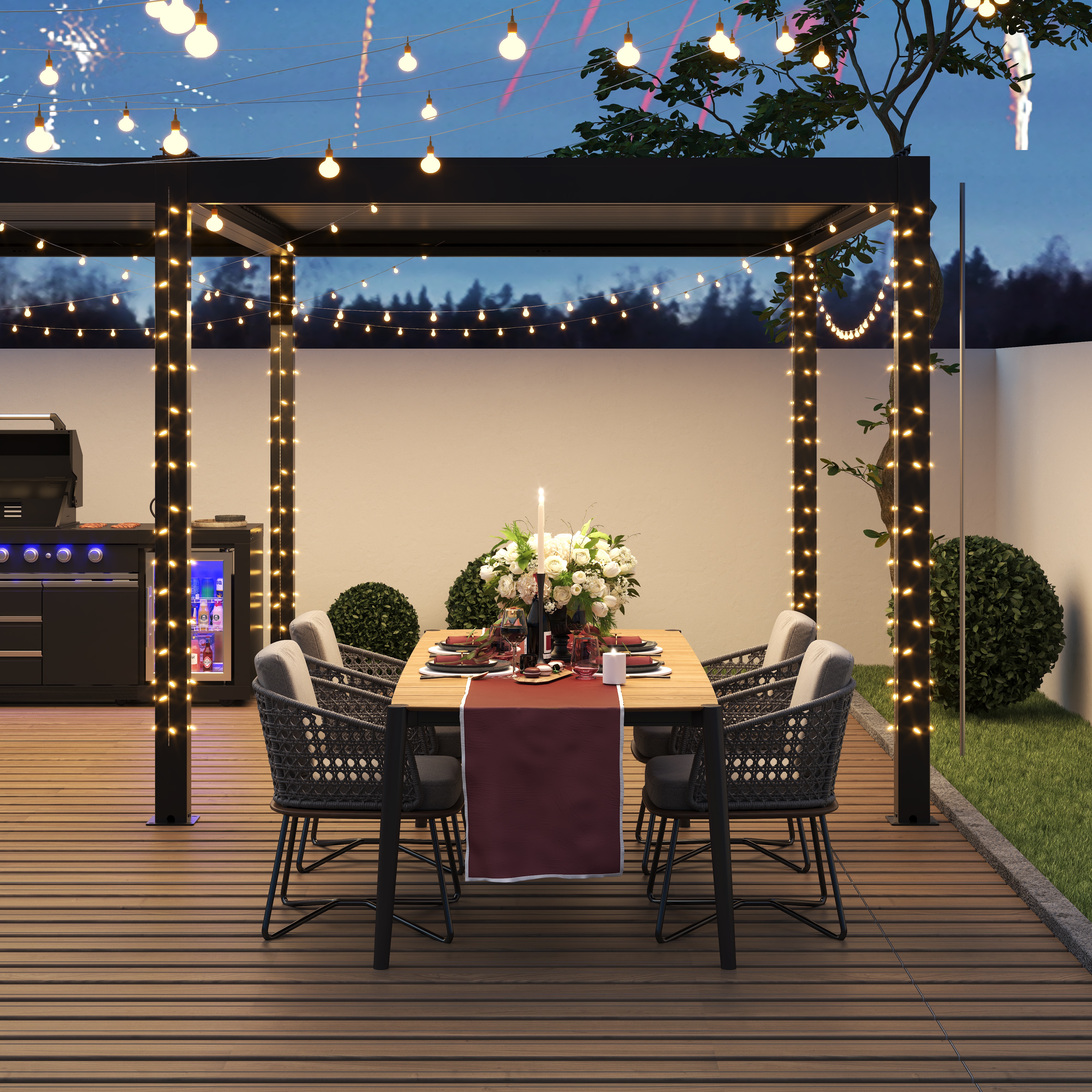
Design & Decoration Tips for Louvered Pergolas
A louvered pergola isn’t just about function—it’s also a blank canvas for creative styling. With the right design elements, your pergola can become a stunning outdoor retreat that reflects your personal taste and adapts beautifully through the seasons. Here are some helpful tips for decorating your own louvered pergola:
1. Define Your Style
Think about how you want your outdoor space to feel. Here are a few popular styling directions to inspire you:
- Modern Minimalist: Stick with a neutral palette—think black, white, or grey aluminum frames paired with clean-lined furniture and subtle LED lighting.
- Boho Chic: Add layers of texture with macrame plant hangers, patterned outdoor rugs, and plenty of throw cushions in earthy tones.
- Coastal Relaxed: Pair a white or light wood-toned pergola with blue-and-white textiles, wicker furniture, and flowing outdoor curtains.
- Seasonal Flexibility: Add seasonal décor like pumpkins and lanterns in fall, or pastel cushions and potted flowers in spring.
2. Choose a Color Scheme
Your pergola's color sets the tone for the entire space. Here’s how to style around some common finishes:
- Black Pergola: Sleek and bold—pairs well with modern furniture, metallic accents, and monochrome accessories.
- White Pergola: Bright and airy—complements beachy, classic, or Mediterranean-style setups with blues, greens, and neutrals.
- Woodgrain Finish: Warm and inviting—ideal for rustic, natural, or farmhouse themes, especially when combined with greenery and soft lighting.
Add cohesion by matching the pergola's tone with your outdoor cushions, planter finishes, and even the frames of your light fixtures.
3. Accessorize for Comfort & Function
Small additions can have a big impact. Consider installing:
- LED Strip Lights: Line the louvers or frame for a subtle glow in the evenings.
- String Lights or Pendants: Add charm and intimacy for dining or lounging areas.
- Infrared Heaters: Make the space usable during cooler months.
- Motorized Sunshades or Curtains: Add privacy, block harsh sun, and soften the look.
- Outdoor Speakers: Create ambiance with music—especially useful for gatherings.
4. Bring in Nature
Greenery adds life and softness to the structured design of a pergola:
- Hang trailing plants or install vertical garden walls to frame the space.
- Grow climbing vines like jasmine or wisteria along the frame for a natural canopy effect.
- Use potted herbs or flowers for both beauty and fragrance.
Tip: Choose plants suited to your climate to reduce maintenance and ensure they thrive year-round.
Conclusion
A louvered pergola is more than just an outdoor structure—it’s a smart investment in year-round comfort, style, and functionality. From customizable shade and weather protection to elegant design possibilities and low-maintenance materials, louvered pergolas offer unmatched versatility for any outdoor living space. Whether you’re hosting guests, relaxing with family, or simply enjoying a quiet moment outside, the right pergola can elevate the experience.
If you're looking for a durable, stylish, and hassle-free option, Flexispot’s louvered aluminum pergola is a great choice. Available in both manual and motorized versions, they’re built with high-quality materials that require little to no maintenance—perfect for those who want both performance and peace of mind.
FAQs About Louvered Pergolas
1. Are louvered pergolas waterproof?
Most louvered pergolas are water-resistant, not completely waterproof. When fully closed, the louvers form a sealed roof that channels rainwater into integrated gutters and downspouts. This helps keep the space underneath dry during light to moderate rain. However, in heavy storms or strong wind-driven rain, some water seepage may occur.
2. Can louvered pergolas be used in winter or snowy areas?
Yes—but with precautions. In snowy climates, choose a pergola designed to withstand snow loads. During winter, it’s recommended to tilt the louvers open to prevent heavy snow accumulation or consider motor shutdown and covering the unit. Aluminum pergolas are best suited for harsh weather conditions.
3. How long do louvered pergolas last?
A high-quality aluminum louvered pergola can last 15–25 years or more, especially with minimal maintenance. Wood options generally have a shorter lifespan and may require regular sealing or staining. The motorized components in electric or smart pergolas may need occasional servicing or replacement over time.
4. Do louvered pergolas require a building permit?
In many areas, you may need a permit to install a louvered pergola, especially if it’s a large or attached structure. Requirements vary by location, so it’s best to check with your local building department before starting the project.
5. Are motorized louvered pergolas noisy?
Most modern motorized systems are quiet and smooth during operation. Some low hum or movement sound is normal, but if the pergola is making loud or jerky noises, it could indicate a need for cleaning or maintenance. Some models go further to reduce operational noise. For example, the Flexispot louvered pergola uses double-layer louvers to reduce rain noise and incorporates POM materials in the metal to minimize friction sounds.