
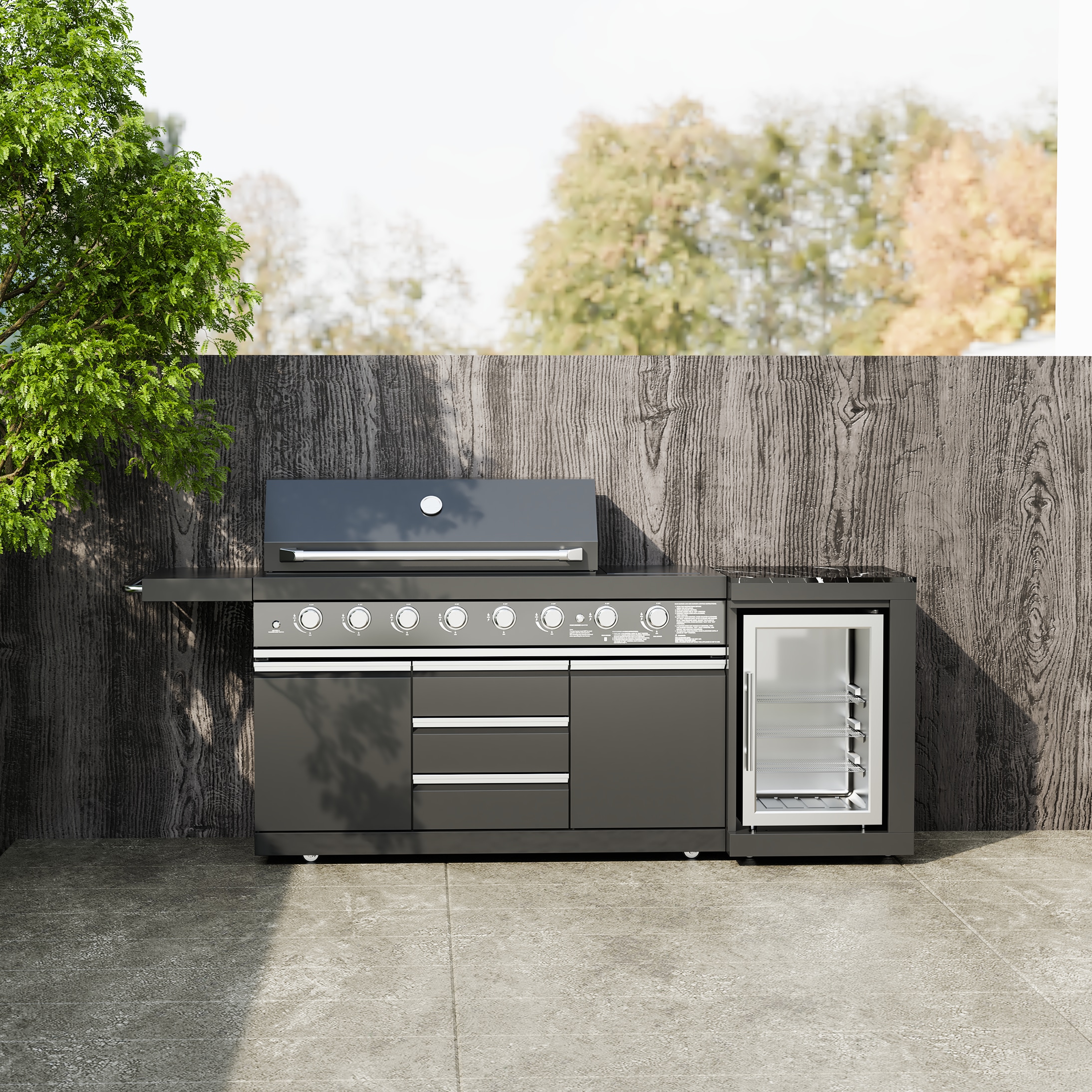
An outdoor kitchen burner is a game-changer for anyone who loves cooking outdoors. Whether you’re simmering sauces, stir-frying veggies, or boiling pasta, a dedicated burner expands your cooking options beyond the grill. It lets you prepare complete meals without running back and forth indoors, making outdoor cooking more efficient and enjoyable. In this guide, we’ll explore different types of burners, styles, and what to consider when choosing the perfect fit for your space.
What Is an Outdoor Kitchen Burner and Why It Matters?
An outdoor kitchen burner is a powerful cooking appliance typically installed next to your grill or as part of a modular outdoor kitchen setup. Unlike the main grill that’s often used for direct grilling or smoking, a side burner or power burner gives you the flexibility to prepare a wide range of dishes—just like you would on a stovetop indoors.Think boiling pasta, simmering sauces, frying seafood, stir-frying veggies, or simply boiling a kettle of water—all without having to leave the outdoor cooking area. With the right burner for outdoor kitchen setups, you’re not just grilling—you’re running a full-service outdoor kitchen.
Why Outdoor Kitchen Burner Matters?
Here’s why adding a dedicated burner to your outdoor kitchen can make a big difference:
1. Multitasking Made Easy
A side burner allows you to cook side dishes or sauces while grilling the main course, which saves time and keeps everything hot and ready to serve. Instead of juggling pots between your kitchen and grill, everything happens in one place.
2. Ideal for High-Heat Cooking
Love stir-frying, searing, or deep-frying? A power burner is designed to deliver intense, concentrated heat—perfect for wok cooking or dishes that require high oil temperatures. It’s a great match for home chefs who enjoy bold flavors, spicy recipes, and heavy-duty cooking styles.
3. Enjoy the Outdoors Without Interruptions
Cooking shouldn’t pull you away from your guests. With an outdoor kitchen burner, you can prep full meals under the sun or stars, without having to run inside every few minutes to check on a pot. It makes the entire cooking experience more social and enjoyable.
4. Keep Strong Smells Outside
From fish curry to fried garlic, certain dishes can leave lingering odors in your kitchen. By taking these recipes outside, you keep your indoor space fresh and avoid the hassle of long-lasting smells in your home.
5. Cook Even During Power Outages
Many outdoor burners are gas-powered, meaning you can still cook a hot meal even when the electricity goes out. It’s a practical addition that adds a layer of preparedness to your home—especially if your main stovetop is electric.
6. Perfect for Everyday or Entertaining
Whether you're hosting a weekend BBQ or simply want to whip up a quick weeknight dinner without heating up your house, an outdoor burner is a smart and versatile addition. It helps expand what your outdoor kitchen can do, turning it from a weekend grill station into a true extension of your home kitchen.
Types of Outdoor Kitchen Burners
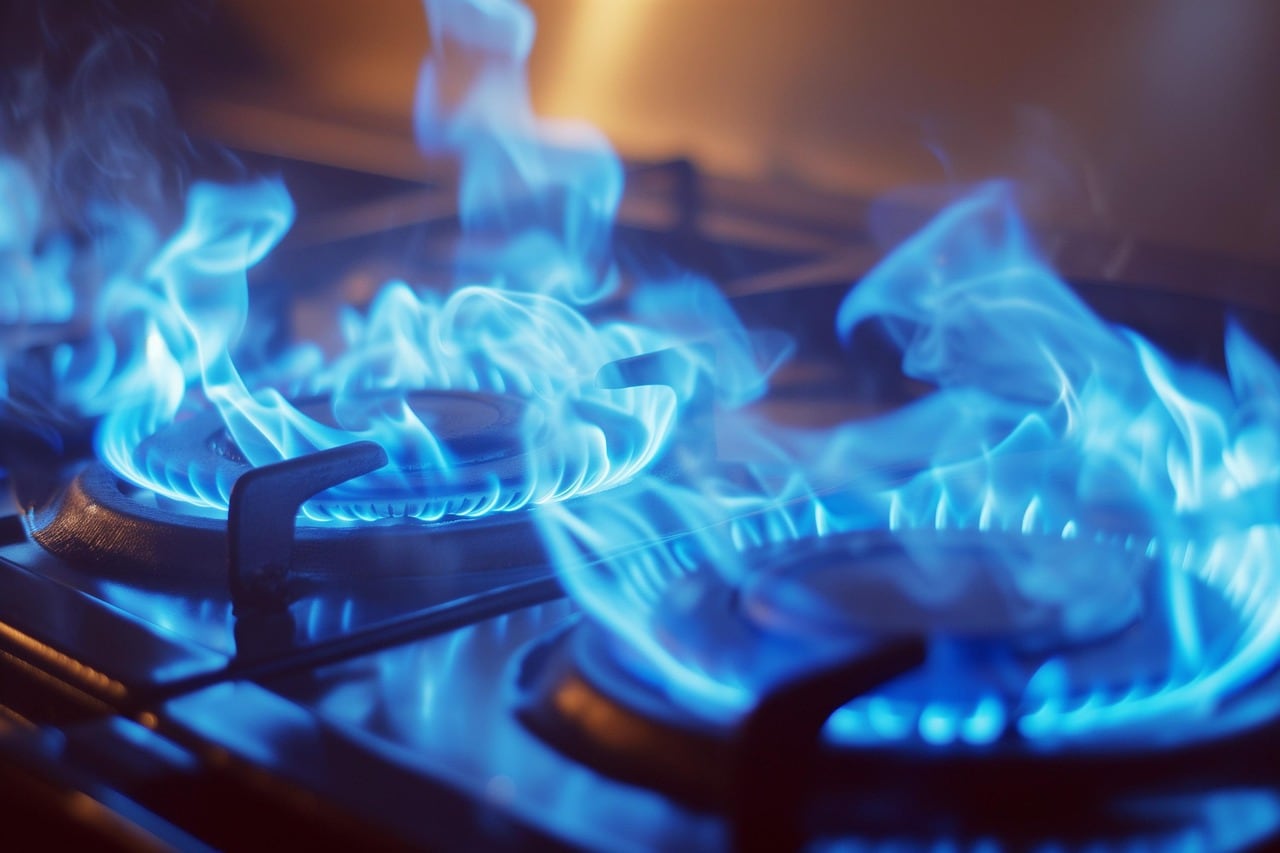
When designing an outdoor kitchen, one of the best ways to elevate your cooking experience is by choosing the right burner. Not all burners serve the same purpose, and understanding the different types can help you make a decision that suits your cooking style, space, and budget. Let’s take a closer look at the three common types of outdoor kitchen burners:
1. Side Burners
A side burner for outdoor kitchen setups is a go-to addition for those who want to cook more than just grilled food. Positioned next to your main grill, a side burner functions like a standard stovetop—perfect for heating sauces, sautéing vegetables, or boiling pasta.
You’ll typically find two types:
- Single side burners: Great for compact spaces or minimal cooking needs. Ideal if you're only heating one pot or pan at a time.
- Double side burners: Perfect for multitasking. Cook a sauce in one pan while boiling water or frying something in the other. Double burners also utilize more counter space efficiently, especially if you’re building them into an island.
Pros:
- Convenient for everyday cooking
- Helps you prepare full meals outside
- Easy to use, with familiar controls
Cons:
- Limited power compared to larger burners
- Not ideal for high-heat cooking
Whether you're simmering a rich sauce or prepping a quick stir-fry, a side burner outdoor kitchen setup ensures you don’t have to run inside every time you need an extra burner.
2. Power Burners
If you’re serious about outdoor cooking, a power burner for outdoor kitchen use is a game-changer. These burners are built for performance, offering significantly higher BTU output than standard burners—some reaching 60,000+ BTUs.
This level of power makes them ideal for:
- Stir-frying in a wok
- Boiling large pots of seafood
- Searing steaks
- Cooking with heavy-duty cookware
Some outdoor kitchen power burners even come with attachments that let you use them as a flat-top griddle or wok station, adding another layer of versatility.
Pros:
- High heat for faster cooking
- Handles large pots and intense cooking styles
- Ideal for restaurant-style dishes at home
Cons:
- Requires more space
- Higher cost than standard burners
For anyone who loves high-heat cooking or wants to replicate indoor stovetop performance outdoors, a power burner outdoor kitchen solution is well worth the investment.
3. Propane & Gas Burners
Choosing between propane burners for outdoor kitchen use and natural gas burners is more than just about preference—it’s about convenience, installation, and cost.
- Propane burners offer portability and are often easier to install. They’re great for homes that don’t have access to a natural gas line and are perfect for modular or freestanding outdoor kitchens.
- Natural gas burners, on the other hand, provide a constant fuel source without the need to refill tanks. They are ideal for built-in outdoor kitchens with an existing gas line.
Gas burner outdoor kitchen setups are popular due to their ease of use and consistent heat. Both fuel types perform well, but your choice will depend on accessibility and how permanent your outdoor kitchen setup is.
Pros:
- Clean-burning and efficient
- Widely compatible with outdoor appliances
- Reliable heat output
Cons:
- Propane requires refilling
- Natural gas setup may need professional installation
Whether you opt for an outdoor kitchen burner propane setup or tap into your home’s gas line, selecting the right fuel source ensures your burner works safely and efficiently for years to come.
| Burner Type | Best For | Heat Output (BTU) | Fuel Type | Pros | Cons |
| Side Burner | Sauces, boiling, sautéing, basic stovetop tasks | ~12,000–20,000 | Propane / Natural Gas | Compact, easy to use, adds versatility to outdoor kitchen | Limited to low-medium heat; not for high-heat cooking |
| Power Burner | Stir-frying, searing, boiling large pots | ~50,000–70,000+ | Propane / Natural Gas | High performance, wok/griddle compatible, fast cooking | Requires more space; higher cost |
| Gas / Propane Burner | General outdoor cooking, flexibility | Varies by burner type | Propane or Natural Gas | Clean-burning, reliable heat, widely used | Propane needs refilling; natural gas needs installation |
How Many Outdoor Kitchen Burners Do You Need?
Choosing the right number of outdoor kitchen burners is key to creating a cooking setup that fits your lifestyle. Whether you're whipping up weekday meals for the family or hosting large backyard parties, the burner count directly impacts your efficiency, versatility, and enjoyment. Let’s break down your options based on household size, cooking habits, and entertaining style.
2 Burners: Small Households or Simple Setups
A double burner is often enough for couples or small families. It provides the flexibility to heat a side dish while preparing a sauce or soup on the other. This setup is also ideal if you're working with limited outdoor space.
- Best for: Small patios, balconies, or minimalist kitchens
- Cooking style: Simple meals, quick preps
- Recommendation: Pair with a small grill for best results
4 Burners: The All-Rounder
A 4 burner outdoor kitchen is one of the most versatile setups. It gives you enough room to grill main dishes and sides simultaneously, or prepare multiple items at different heat levels. It’s perfect for mid-sized families and casual entertaining.
- Best for: Families of 3–5, weekend grillers
- Cooking style: Balanced meals, moderate volume
- Recommendation: Add a side burner for even more flexibility
6 Burners: For the Entertainers
With a 6 burner outdoor kitchen, you can handle large meals, experiment with complex menus, and cook with different zones (high heat, low heat, indirect). It’s a favorite for those who host frequently or love trying different cuisines.
- Best for: Large families, frequent hosts
- Cooking style: Multi-course meals, large meats, batch cooking
- Recommendation: Look for models with integrated side or power burners
Looking for Serious Cooking Power?
Check out Flexispot’s 6-burner and 8-burner grills—designed for performance, style, and speed. With generous cooking surfaces and dedicated zones for different tasks, these multi-burner grills heat up quickly, support diverse cooking methods simultaneously, and are perfect for hosting large outdoor feasts. Whether you're grilling, searing, boiling, or smoking, Flexispot has you covered.
Factors to Consider When Choosing an Outdoor Kitchen Burner
Choosing the right outdoor kitchen burner can make all the difference in your cooking experience. To ensure you get the best performance, durability, and convenience, consider the following factors before making your purchase.
1. Material and Construction
- Stainless Steel: The most popular choice due to its excellent resistance to rust and corrosion. It withstands high heat without warping and is easy to clean, making it ideal for outdoor use.
- Cast Iron: Known for superb heat retention and even distribution. Cast iron burners can deliver consistent cooking results but require regular maintenance to prevent rust.
- Ceramic: Often found in high-end grills, ceramic burners provide excellent heat conduction and durability. They’re also common in infrared burners for specialized cooking.
2. Durability and Weather Resistance
- Your burner should be built to endure exposure to sun, rain, wind, and temperature changes. Materials like stainless steel are favored for their longevity in outdoor conditions.
- Look for burners with wind-resistant designs to maintain steady flames even on breezy days.
- Protective coatings or covers can extend the lifespan by preventing corrosion.
3. Heat Output and Efficiency
- BTUs (British Thermal Units) indicate a burner’s heat power. Higher BTUs mean faster cooking and the ability to sear or boil quickly.
- Match the BTU rating to your cooking style: higher BTUs for searing or stir-frying, moderate for simmering or slow cooking.
- Efficient burners provide even heat distribution, reducing hot spots and ensuring your food cooks uniformly.
4. Safety Features
- Reliable ignition systems are crucial for easy and safe startup. Look for burners with electronic ignition or push-button start for convenience.
- Quality valves allow precise control of gas flow and flame size, enhancing cooking accuracy and safety.
- Safety certifications (e.g., CSA, UL) are important indicators of product reliability.
5. Size and Compatibility
- Ensure the burner size fits your cookware and outdoor kitchen layout.
- Consider how many burners you need based on your typical cooking volume and meal variety.
- Burner shape (U-shaped, H-shaped, oval, or straight tube) affects heat distribution and may suit different cooking techniques.
6. Ease of Cleaning and Maintenance
- Burners with removable parts, such as grates and burner covers, simplify cleaning.
- Smooth, flat surfaces reduce food buildup and make wipe-downs easier.
- Consider ease of access for inspection and maintenance to prolong your burner's life.
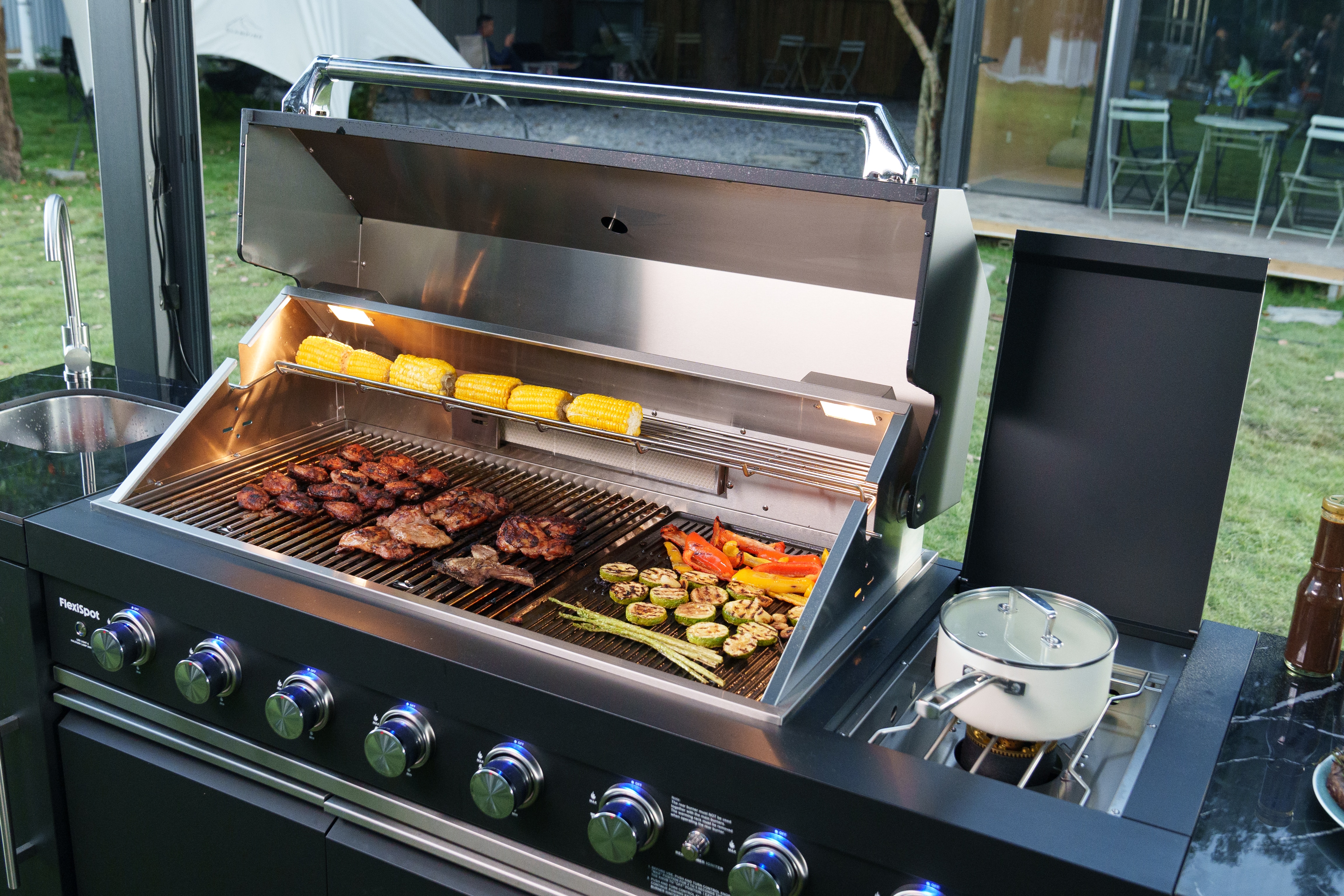
By carefully weighing these factors, you can choose an outdoor kitchen burner that perfectly suits your cooking needs and stands up to the demands of outdoor living. For those seeking a premium option, Flexispot Outdoor Kitchen grills stand out with their durable 304 stainless steel inner liners, ensuring excellent rust resistance and longevity. The burner configuration includes 4 main burners, 1 rear burner, and 1 side burner, providing a large cooking area and versatile heat zones. This setup delivers consistent, powerful heat for all your outdoor cooking needs, from grilling steaks to simmering sauces.
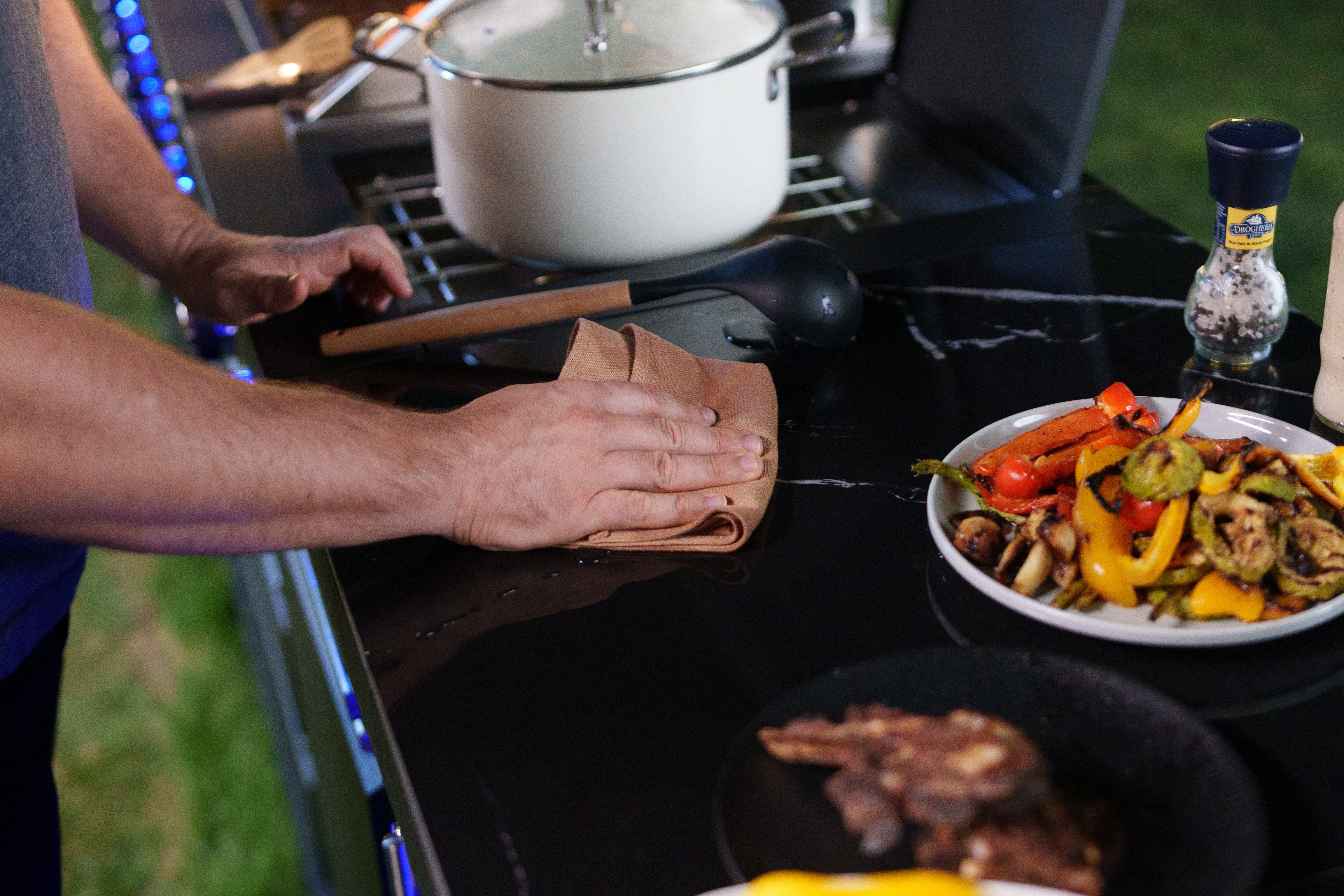
Maintenance and Cleaning Tips for Outdoor Kitchen Burners
Keeping your outdoor kitchen burners in peak condition isn’t just about looks—it’s about performance, safety, and longevity. A well-maintained burner ensures even heat distribution, reduces the risk of flare-ups, and keeps your grill ready for every backyard cookout. Here are some essential tips and routines to follow:
1. Regular Cleaning After Each Use
- Brush off residue: After cooking, heat the burners on high for 10–15 minutes to burn off leftover food particles and grease. Then use a grill brush to clean the grates.
- Wipe surfaces: Use a damp cloth to remove dust or light debris from the exterior. Stainless steel cleaners or mild soap with warm water work well for maintaining shine.
- Empty the drip tray: Regularly clearing the grease trap prevents flare-ups and avoids attracting pests.
2. Monthly Deep Clean
At least once a month—or more often if you grill frequently—commit to a thorough clean:
- Turn off gas supply before starting.
- Remove burners according to the manufacturer’s manual.
- Clear burner ports: Use a wire brush or flexible pipe cleaner to remove debris that could block gas flow.
- Inspect burners: Check for corrosion, cracks, or uneven flame patterns that may indicate replacement is needed.
- Clean the firebox: Wipe down interior walls and burner boxes to reduce carbon buildup.
3. Seasonal Maintenance
Your outdoor kitchen faces different challenges depending on the time of year:
- Spring: After winter, check burners, hoses, and ignition systems. A quick test run helps identify problems before grilling season kicks off.
- Summer: High use calls for more frequent grease trap cleaning and burner inspections.
- Winter: If you live in a cold climate, drain water from components and store your grill under cover to prevent freezing and cracking.
4. Inspect for Safety Hazards
- Gas leaks: Test connections with a soapy water solution—bubbles mean a leak that needs immediate repair.
- Ignition system: Test igniters regularly. Weak sparks or failed starts may require new batteries or replacements.
- Hoses and fittings: Look for cracks or wear that could compromise safety.
5. Protect Against the Elements
Even high-quality stainless steel can suffer from exposure. A few precautions go a long way:
- Grill covers: Invest in a durable, weather-resistant cover to protect from sun, rain, and snow.
- Stone or concrete countertops: Seal them annually to prevent stains and weather damage.
- Storage: If possible, store your grill in a sheltered spot during harsh weather.
Conclusion
Choosing the right outdoor kitchen burner can transform your backyard cooking experience. From durable materials and efficient heat output to styles like built-in or drop-in, each factor plays a role in how well your outdoor kitchen performs. Whether you’re a casual griller or a serious chef, investing in quality burners enhances your ability to cook versatile meals outdoors. For premium performance, Flexispot’s grills with 4 main burners plus rear and side burners offer power and flexibility to meet every culinary need.
FAQs About Outdoor Kitchen Burners
1. Are propane burners or natural gas burners better for outdoor kitchens?
Both propane burners and outdoor kitchen gas burners have their advantages. Propane burners offer portability and easy installation, ideal if you don’t have a natural gas line. Natural gas burners provide a continuous fuel supply and are perfect for built-in kitchens with existing gas hookups.
2. How do different burner shapes affect cooking performance?
Burners come in shapes like U-shaped, H-shaped, round, or straight tube. For example, U-shaped burners deliver intense, concentrated heat great for searing, while oval burners offer a hot center with cooler edges, good for versatile cooking zones.
3. Can I install a drop-in burner in an existing outdoor kitchen?
Absolutely. Drop-in burners are often chosen for remodeling because they fit into pre-cut spaces and don’t require major construction changes.
4. Are there specific safety tips for using outdoor kitchen gas burners?
Yes! Always check for gas leaks before use, keep burners clean, and ensure proper ventilation. Use burners with reliable ignition systems and certified valves. Turn off gas supply when not in use and keep a fire extinguisher nearby.
5. How do I maintain my outdoor kitchen burner to ensure longevity?
Regular cleaning and protection from harsh weather are key. Choose burners made with rust-resistant materials like stainless steel, and cover or store your burner when not in use. Also, check valves and ignition systems periodically for safety.