
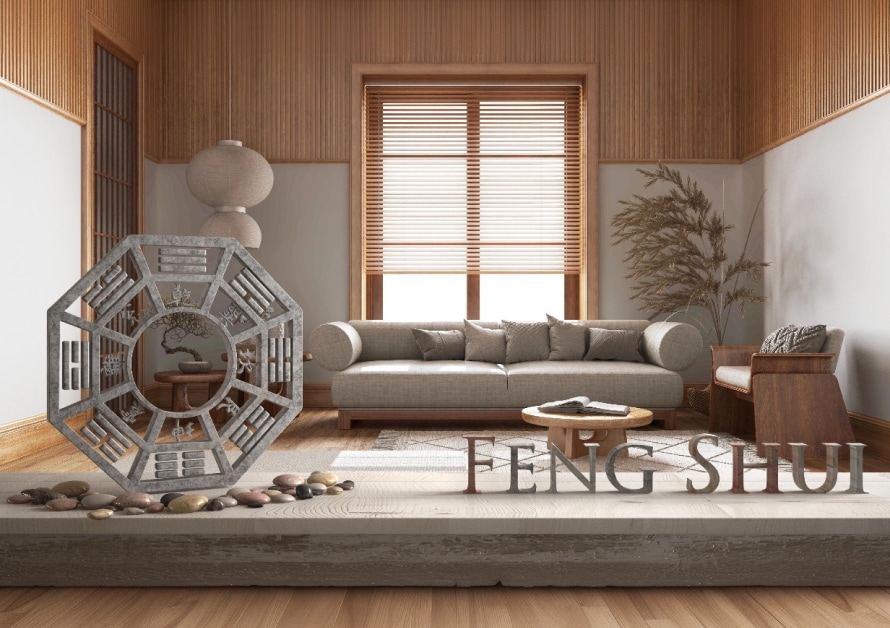
Feng shui is an ancient Chinese art that explores the harmony between humans and nature. In its early stages, feng shui was primarily applied to the selection, orientation, and layout of palaces, residences, villages, and graves, aiming to bring prosperity and good fortune to rulers and their descendants through strategic spatial arrangements.
Over time, the practice has evolved from geographical planning to the details of daily life. Today, it is widely believed that even the placement of furniture can subtly affect the health and fortune of those living in a particular space. This article will guide you through the hidden feng shui principles embedded in furniture arrangement.

What is Feng Shui?
Feng shui, also known as “wind and water,” views luck and misfortune as tangible forces that can be influenced through specific principles. In other words, it is based on the belief that everything in the universe is made up of energy, and that this energy, or “Qi,” can have a powerful impact on our lives.
Whether it's Joey Yap or Karen Rauch Carter, they both believe that by learning and applying feng shui principles to our surroundings, we can create positive psychological cues for ourselves that help us live better lives.
Joey Yap is a world-renowned expert in classical feng shui and Chinese metaphysics. As the founder of the Mastery Academy of Chinese Metaphysics, he has authored over 180 books and taught thousands worldwide. His work has been featured on CNN, Forbes, and Bloomberg, establishing him as a leading voice in bringing traditional feng shui to modern living.
Karen Rauch Carter is a leading feng shui expert in the U.S., best known for her bestselling book “Move Your Stuff, Change Your Life.” She specializes in making feng shui accessible to modern Western audiences, blending traditional principles with practical lifestyle advice. Her work has been featured on HGTV, CNN, and The Los Angeles Times, making her a trusted voice in modern living and wellness design.

Feng Shui in Your Living Room
According to Joey Yap, the bright hall refers to the space that comes immediately after the main entrance of your home. This is an important area for Qi to gather and enter your home. Here are some tips to help you attract Qi into your living room.
1. Good Lighting Is Essential
A bright and well-lit living room not only creates a pleasant atmosphere but also fosters a sense of positivity. Good lighting contributes to a favorable environment for feng shui, while a dimly lit space can feel oppressive and affect one’s mood and mental well-being negatively.
2. Place the Sofa Against the Wall
Ideally, the sofa should be placed against a solid wall to symbolize strong support in life. If it's positioned against a window instead, it can create a sense of instability in the feng shui layout, potentially leading to financial loss for the household.
3. Opt for Light Colors
When decorating the living room, it’s generally best to choose soft and clean colors for your furniture, such as white or beige. Scandinavian-style or country-style rugs can also create a sense of relaxation and joy. In contrast, dark colors conjure a heavy or oppressive atmosphere, thereby increasing the likelihood of feelings of gloom and depression.
4. The Northwest Corner Should Remain Intact
In terms of living room orientation, the northwest corner should remain intact, as this area plays a crucial role in the homeowner’s career, health, wealth, and academic success. A missing corner in this direction can impact all of these aspects negatively.
5. Avoid Placing Artificial Flowers
While artificial flowers and plants may enhance the visual appeal of a living room, they are often seen as symbols of bad energy in feng shui. Overusing them can subtly invite insincerity in relationships, create emotional imbalance, and even lead to misunderstandings or tension in romantic partnerships.

Feng Shui in Your Bedroom
More than just a place to sleep, the bedroom is where we retreat to rest and recharge after a long day. Considering that we spend nearly one-third of our lives in this space, its environment plays a crucial role in our overall well-being. In fact, according to feng shui principles, the setup and energy flow of a bedroom can directly influence the quality of our sleep, our emotional balance, and even our physical health. That’s why creating a harmonious and well-designed bedroom isn’t just about aesthetics, but it’s also about supporting a healthier and more balanced life.
Here are some tips for positive energy in your bedroom.
1. Limit Electronics in the Bedroom
Aside from essentials like air conditioners or fans, it’s best to minimize the presence of electronic devices such as TVs and computers. These appliances emit electromagnetic waves that can disrupt sleep quality and potentially affect your health over time.
2. Avoid Placing the Bed Directly on the Floor
Ideally, your bed should be raised by about 10 to 20 inches off the ground, with the space underneath kept clean and clutter-free. Elevating the bed and allowing for airflow beneath it helps prevent moisture from the floor from seeping into the mattress, which can negatively impact your health over time.
3. Choose a Solid Wood Bed if Possible
Solid wood furniture has its origins in nature, and its natural energy is believed to align well with the human body, making it one of the healthiest choices for your home. However, when choosing a solid wood bed, make sure it’s truly made from 100% solid wood and not just wood veneer. Also, check that the finishes and coatings used are eco-friendly and minimal in harmful chemicals.
4. Keep Your Nightstands Level With Your Bed
For married couples, having matching nightstands on both sides of the bed is believed to promote harmony in the relationship. Additionally, nightstands should not be taller than the bed and should be aligned with its orientation. According to feng shui principles, this arrangement not only supports better sleep but also enhances mental clarity and sharpness.
5. Give Your Bed a Sense of Support
The head of the bed should be placed against a solid wall, not a window. If that’s not possible, use a proper headboard to create a sense of support. Avoid placing the bed against walls shared with a bathroom or kitchen, as this can disturb the room’s restful energy.

Feng Shui in Your Home Office
More and more young people are embracing remote work and setting up dedicated home office spaces to stay focused and avoid distractions. From a feng shui perspective, separating your workspace from your resting area is a smart move. When positioned thoughtfully, a home office not only boosts productivity but may also enhance your career growth and even attract better financial opportunities.
Here are some tips on boosting positive energy in your home office.
1. Choose Office Colors Based on the Location
For home offices located in the east or southeast corner of your home, green and blue are ideal colors for focus and growth. If your office lies in the south, use purple to inspire creativity. Meanwhile, offices located in the northwest work well with gray or light beige, for these colors inspire clarity and leadership.
2. Clear the Front of Your Desk for Positive Energy
It’s important to leave some open space, known as the "Ming Tang" or bright hall, in front of your desk. This area helps attract positive energy to boost wealth and career prospects while also keeping your mind clear and refreshed.
3. Avoid Open Spaces Under Your Desk for Better Energy Flow
Steer clear of placing your desk on an open balcony or directly above an empty space like a porch. This is because such locations are considered unfavorable in feng shui and can disrupt your energy at work.
4. Place Taller Items on the Left and Shorter Ones on the Right
When organizing your desk, place taller items on the left and shorter ones on the right. In feng shui, the left side represents the position of the Green Dragon. As such, keeping the left side elevated can attract recognition and support from superiors, thus improving your work life.
5. Fix or Replace Damaged Furniture Promptly
If your office desk or chair is damaged, it’s important to repair or replace it promptly, as using worn-out furniture can negatively impact your career. For a chair with a small or mesh back, hanging a jacket over it or adding a cushion can provide better support.

Incorporating feng shui principles into your furniture layout isn’t just about tradition; it’s about creating a space that feels balanced, supportive, and aligned with your goals. Whether you’re arranging your bed for better rest or positioning your desk for productivity and success, small changes can make a big difference. With a mindful setup, your home can become a true sanctuary that nurtures both your energy and your aspirations.
FAQ
1. What is a Bagua map, and how do I use it?
A Bagua map is also known as the feng shui energy map. It's one of the most effective tools for applying feng shui principles to your living room, offering a clear method to align different areas of your home with specific aspects of life. The Bagua map can be overlaid on your home’s floor plan to assign each room a unique purpose based on the nine life areas it represents.
These nine life areas cover wealth, fame, health, love and relationships, creativity, helpful people, career, personal growth, and travel. You can easily enhance the chosen energy through the thoughtful use of color, decor, or meaningful objects.
2. Should the bed face the door or the window?
Most feng shui experts recommend placing your bed in the center of the room, ideally in the “command position.” This means it should sit diagonally across from the door, allowing you to see the entrance clearly while lying down. This arrangement is believed to invite positive energy and create a sense of security and control within the space.
3. How to arrange plants in my living room according to feng shui principles?
Place plants in spots that boost both the energy and aesthetics of your living room. Think corners, shelves, or near windows where they can soak up natural light, but be mindful not to block walkways or clutter the space. The aim is to promote a balanced, open flow of energy while keeping the room fresh and visually calming.
4. Where should I put mirrors in the living room?
Use mirrors to reflect uplifting elements such as natural light or beautiful decor, but avoid placing them directly across from the main entrance, as this can disrupt the smooth flow of energy.
5. Where should I place the TV in my living room for good feng shui?
The TV is seen as a source of strong energy in feng shui, so its placement in the living room plays a crucial role in boosting positive energy. To keep the space tidy, consider mounting a flat-screen TV on the wall. You can also place a Bagua map over an image of your living room’s layout to guide its placement. Positioning the TV in a specific zone, like the wealth corner, can help activate and support financial growth.
6. Does FlexiSpot have a feng shui app for homes?
FlexiSpot doesn’t currently offer a dedicated feng shui app. However, if you're an iOS user, you can use HarmonySpace to analyze your home’s layout and optimize its energy. HarmonySpace includes features like an interactive Bagua map and AI‑powered room scanning, allowing you to plan and improve your space according to feng shui principles digitally.