
Choosing between a pergola and a gazebo can be tricky—they’re both stylish, functional outdoor structures, but each serves a different purpose. Whether you're after an open-air retreat or full weather protection, understanding the differences will help you make the right choice. In this guide, we break down definition, key differences, decoration ideas, and even how to combine both.
What Is a Pergola?
A pergola is a popular outdoor structure designed to enhance your garden, patio, or deck by creating a stylish and functional shaded space. Unlike fully enclosed buildings, pergolas offer a semi-open design that blends architecture with nature, inviting fresh air and sunlight while providing some relief from harsh direct rays.
1. Definition and Purpose
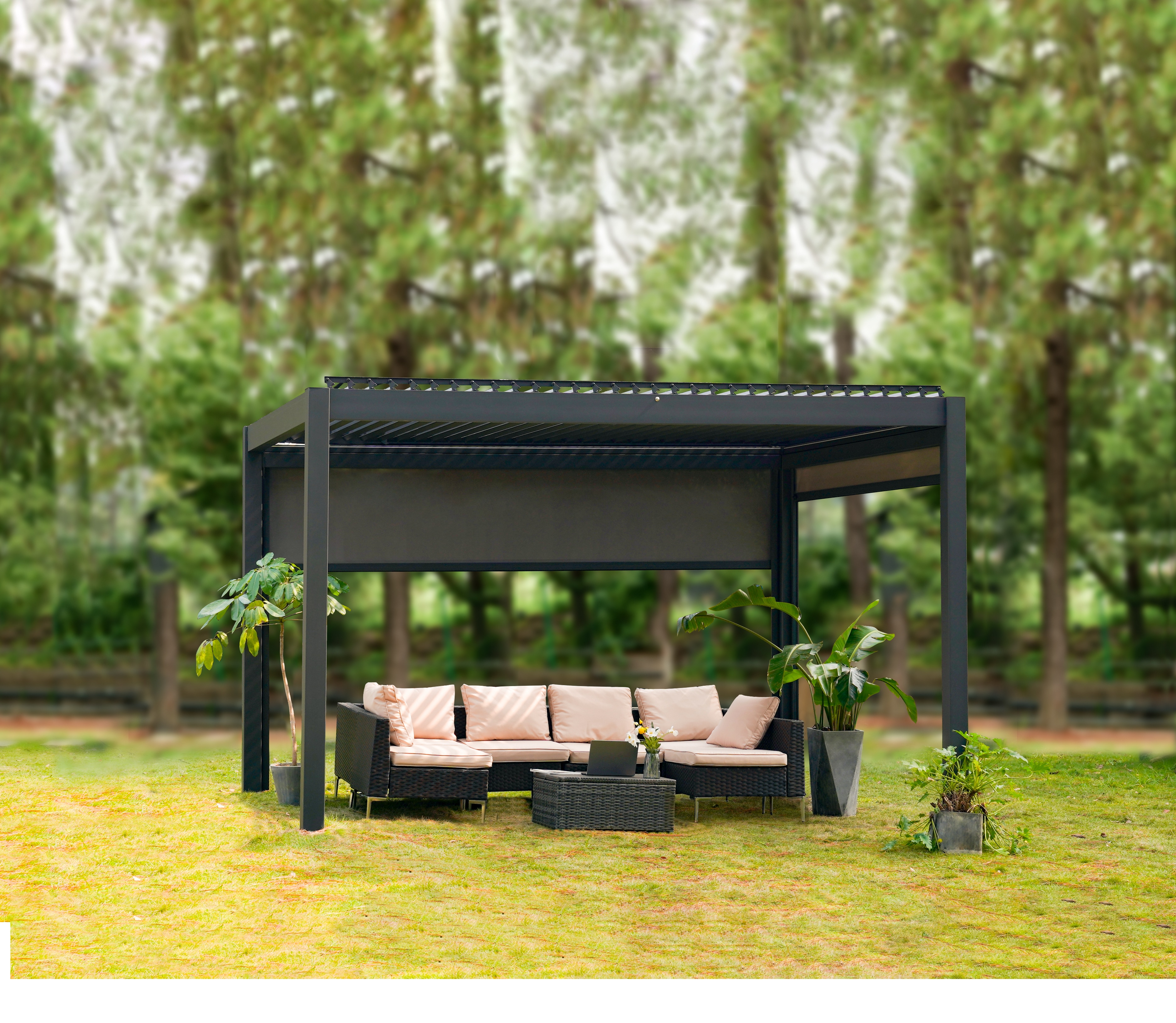
At its core, a pergola consists of vertical posts or columns supporting an overhead framework, typically made up of beams and rafters arranged in an open or lattice pattern. This structure serves multiple purposes: it defines an outdoor area, offers partial shade, and adds an architectural element that elevates the aesthetics of your outdoor living space. Pergolas are perfect for creating cozy sitting areas, walkways, or dining spaces where you can relax or entertain while still enjoying the open air.
2. Typical Design Features
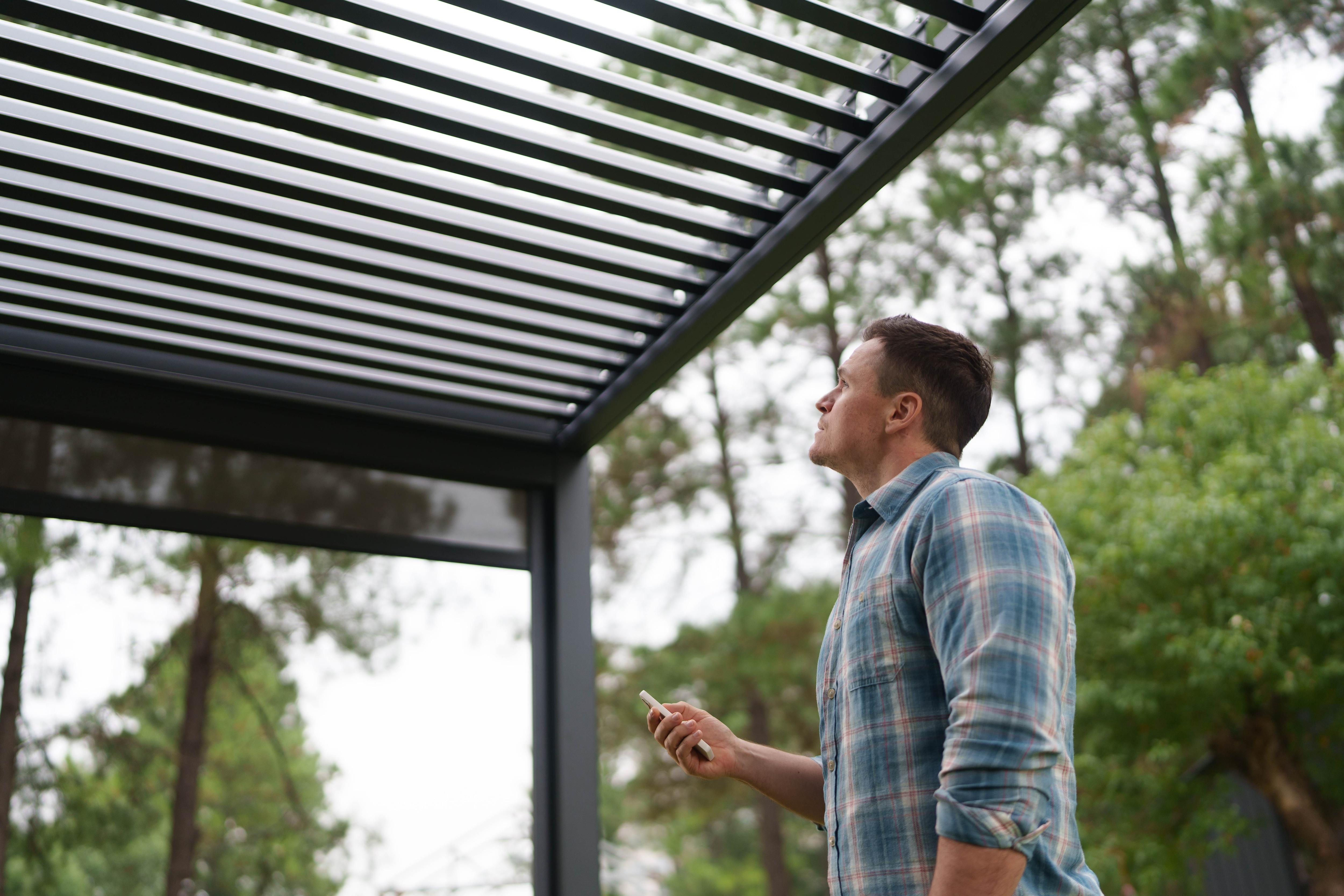
The classic design feature of a pergola is its open roof — unlike gazebos or other outdoor shelters, pergolas don’t have solid or fully covered roofs. Instead, the roof is formed by crossbeams and rafters, which can be spaced to let sunlight filter through or arranged as a lattice that supports climbing plants. This design creates a beautiful interplay of light and shadow throughout the day.Many modern pergolas also include optional features such as retractable canopies or adjustable louvered roofs. These additions offer greater control over sunlight and weather protection, allowing you to open the roof on sunny days and close it when you need shelter from rain or intense sun.
3. Common Types of Pergolas
Pergolas come in a variety of styles and materials to suit different tastes and needs:
- Freestanding Pergolas: These are standalone structures placed anywhere in the yard or garden, perfect for creating an outdoor retreat away from the house.
- Attached Pergolas: Often connected to a building or home wall, these pergolas extend your living space outdoors, offering a smooth transition between indoor and outdoor areas.
- Materials: Traditional wooden pergolas, often made from cedar or treated pine, provide a natural and warm look. Meanwhile, vinyl, fiberglass, aluminum, and composite materials offer low-maintenance and durability with modern aesthetics. Aluminum pergolas, in particular, can feature motorized adjustable louvers for superior shade control.
4. Benefits of a Pergola
One of the main benefits of a pergola is the balance it strikes between sun and shade. It provides enough shelter to keep you comfortable without completely blocking the natural environment. This creates a comfortable outdoor space that is both inviting and practical.Pergolas also offer versatility. You can customize them with climbing plants like wisteria or roses to add greenery and fragrance, or hang curtains, lights, and fans to enhance comfort and ambiance. They help define outdoor living zones and can increase your property’s value by improving curb appeal.
5. Best Use Cases
Pergolas work exceptionally well in a variety of outdoor settings. They are ideal for:
- Patios and decks where you want to create an outdoor lounge or dining area.
- Gardens, where a pergola can frame walkways or seating areas and support flowering vines.
- Poolside retreats offering shade while maintaining an open, breezy feel.
- Outdoor kitchens or bars, where partial shade is needed without sacrificing ventilation.
What Is a Gazebo?
A gazebo is a classic outdoor structure, often found in gardens, parks, or backyards, known for its enclosed roof and charming, pavilion-like design. Unlike the open-air feel of a pergola, a gazebo provides full overhead coverage, making it a practical and decorative focal point for outdoor living.
1. Definition and Purpose
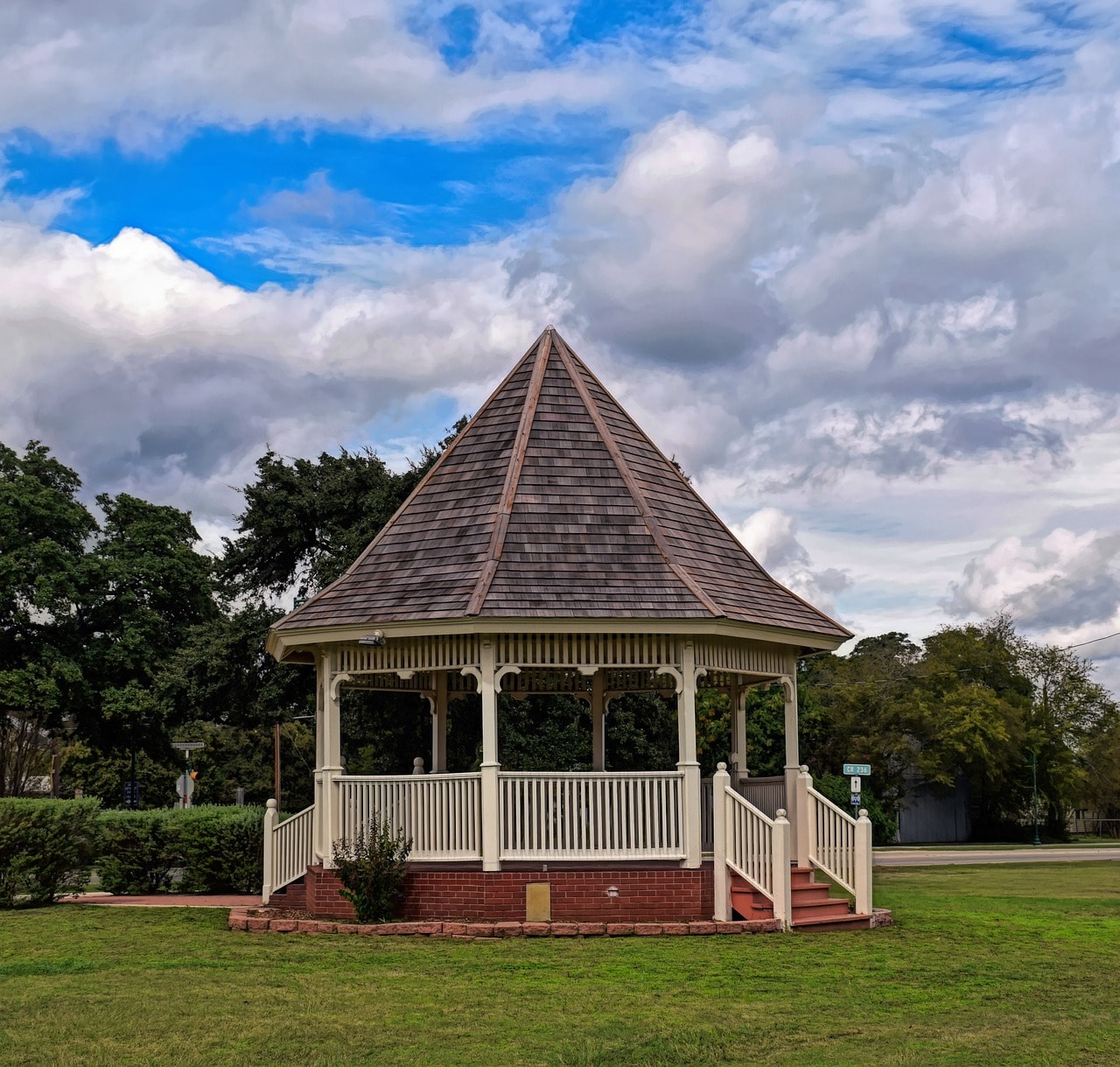
At its core, a gazebo is a freestanding structure with a solid roof and open or semi-enclosed sides. It’s built to offer shelter from the sun, rain, and wind while creating a relaxing spot to sit, socialize, or enjoy the surrounding landscape. With roots going back centuries, gazebos were once found in ancient Greek gardens and Victorian estates, often serving as peaceful retreats or elegant gathering areas.Today, gazebos continue to be used as functional garden features—ideal for creating a shaded lounge, an outdoor dining nook, or even a romantic backdrop for weddings and celebrations.
2. Typical Design Features
One of the defining features of a gazebo is its closed or solid roof, which offers better protection from the elements compared to pergolas. Roof shapes vary—many gazebos have domed, pitched, or multi-sided roofs, often topped with a cupola or decorative finial.Gazebos tend to be more enclosed than pergolas. Their sides can remain open, or include half-walls, railings, screens, or full enclosures with windows. These features help block wind and insects while still maintaining an airy, outdoor feel.Materials also vary: wood, metal, and vinyl are the most common, and each brings a different aesthetic. Wood gazebos offer a warm, traditional look, while metal and vinyl versions feel sleek and require less upkeep.
3. Common Types of Gazebos
Gazebos come in different sizes and shapes, from quaint garden alcoves to spacious backyard shelters. Here are a few popular styles:
- Traditional Octagonal or Hexagonal Gazebos: Classic in shape, often with detailed railings and shingled roofs.
- Rectangular or Square Gazebos: Better for larger seating or dining setups; a common choice for modern backyards.
- Pop-up or Portable Gazebos: Lightweight and easy to set up, ideal for events, BBQs, or temporary shade.
You’ll also find screened gazebos that keep bugs out, or enclosed gazebos that can be used year-round with the right modifications.
4. Benefits of a Gazebo
Gazebos offer more complete weather protection than pergolas. Their solid roofs shield you from rain and sun, making them a dependable outdoor shelter in different seasons. The partial or full enclosure provides privacy and helps create a cozy, defined space in your yard.They also add significant decorative value. With their elegant architecture, gazebos serve as a visual centerpiece for a garden or lawn, enhancing the overall charm of your outdoor area.
5. Best Use Cases
Gazebos are well-suited for a range of outdoor settings and activities:
- Standalone backyard shelters, offering a quiet place to unwind, enjoy a book, or sip morning coffee.
- Entertainment hubs for hosting garden parties, outdoor dining, BBQs, or even small weddings.
- Hot tub or spa enclosures, creating a private and weather-protected zone.
- Kids’ play areas or shaded zones for pets during summer months.
- Public parks and venues, where larger gazebos can act as bandstands or gathering spots.
Key Differences Between Pergola and Gazebo
While pergolas and gazebos are both beloved outdoor structures, they serve different purposes and suit different lifestyles and design preferences. From the way they’re built to how much protection they offer, the pergola gazebo difference is more than just cosmetic. Below, we break down the key contrasts to help you choose what works best for your space.
1. Roof Structure
The most noticeable difference between a pergola and a gazebo lies in the roof.
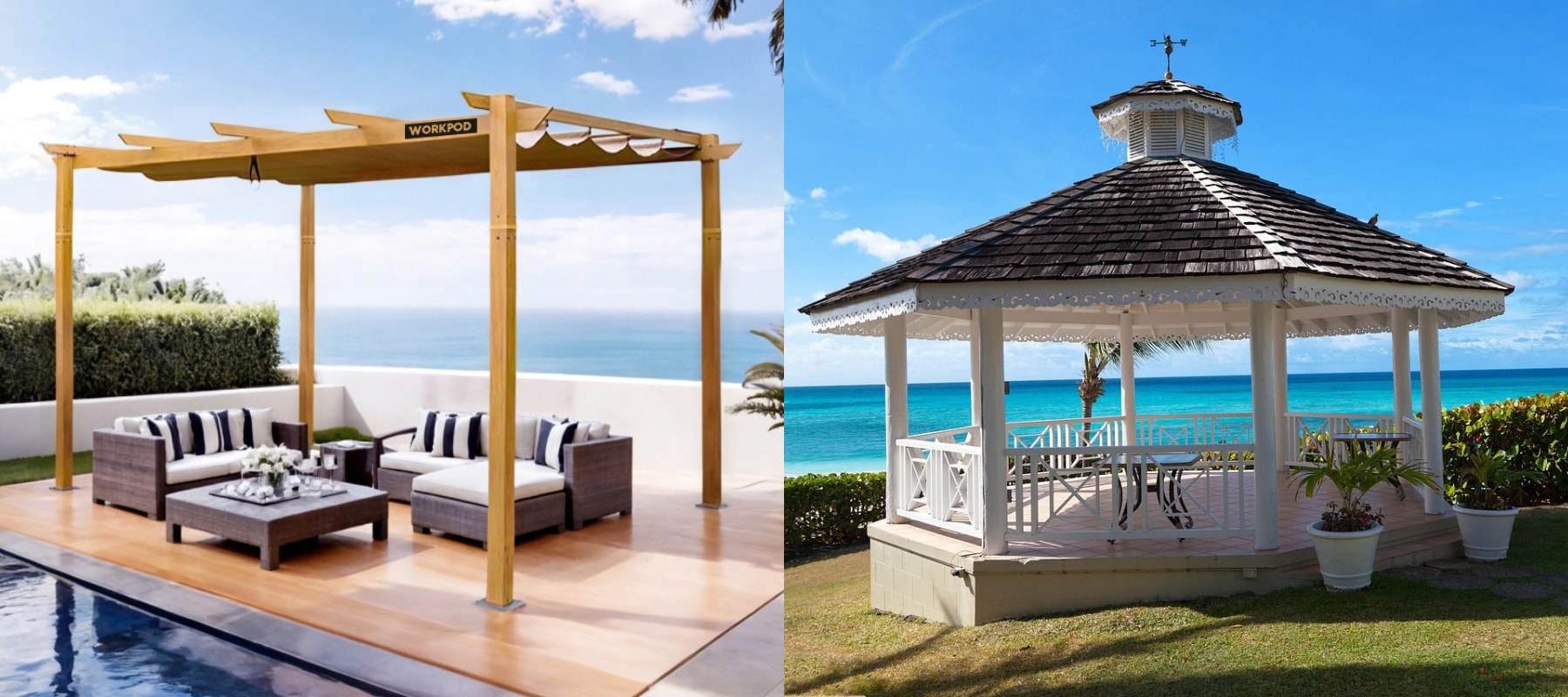
- A pergola features an open roof made of slatted beams or rafters. This design allows sunlight to filter through and creates a dappled light effect. Some modern pergolas come with retractable canopies or louvered roofs for adjustable coverage.
- A gazebo, on the other hand, has a fully covered, solid roof—often pitched, domed, or even tiered—designed to offer complete overhead protection from sun and rain.
2. Pergola vs Gazebo for Shade
When it comes to sun protection, gazebos have the upper hand with their enclosed roofs. They’re ideal for year-round use, providing reliable shade and shelter in almost any weather.However, don’t count pergolas out. While their roof is partially open by default, many can be fitted with retractable fabric covers, sliding louvers, or climbing plants to create generous shade. For more on this, check out our detailed post: Do Pergolas Really Provide Shade?
3. Aesthetic Styles
- Pergolas typically offer a sleek, modern or minimalist aesthetic. They’re popular in contemporary landscapes and pair well with clean lines, patios, and decks. Their open design also invites natural elements like vines and hanging plants.
- Gazebos often feel more classic or romantic. With ornate trim, railings, and a symmetrical shape (usually octagonal), they serve as elegant focal points in traditional gardens or larger yards.
4. Functionality and Flexibility
- Pergolas are highly versatile. They can be freestanding or attached to a house, making them ideal for extending living areas or shading patios. Many come in modular kits and can be upgraded with lights, canopies, or side screens.
- Gazebos are typically freestanding and more self-contained. While they offer excellent shelter, they’re less flexible in terms of placement and customization. That said, they’re perfect for use as standalone retreats, outdoor dining areas, or hot tub covers.
5. Cost and Installation
Pergolas tend to be more budget-friendly than gazebos, largely due to their simpler design and materials. On average:
- Pergolas range from $600 to $12,000, depending on size and features.
- Gazebos can range from $1,000 to over $17,000, especially if they include floors, railings, or built-in seating.
Pergolas are also easier to install, making them a more viable DIY project for many homeowners.
| Feature | Pergola | Gazebo |
| Roof | Open, slatted, optional retractable | Solid, fully enclosed |
| Shade/Weather | Partial shade, customizable | Full protection from sun and rain |
| Structure | Freestanding or attached to a building | Always freestanding |
| Design Style | Sleek, modern, open-air | Traditional, enclosed, ornamental |
| Customization | High — louvers, covers, plants, etc. | Limited customization |
| Installation | Easier to DIY | May require professional installation |
| Cost Range | $600 – $12,000 | $1,000 – $17,000+ |
| Best Use Cases | Patios, decks, modern gardens | Yards, parks, dining spots, hot tubs |
Pergola vs Gazebo: Which One is Better for You?
When deciding between a pergola and gazebo, there’s no one-size-fits-all answer. The right choice depends on your space, intended use, design preferences, and budget.A pergola offers an open-air design with a slatted or louvered roof, making it ideal for homeowners who want a sleek, modern structure that blends with patios, decks, or gardens. It provides partial shade, creates visual interest, and allows for plenty of customization—such as retractable covers, string lights, or climbing plants. Pergolas are especially popular for smaller yards, outdoor kitchens, and transitional spaces that connect indoor and outdoor living areas.
A gazebo, in contrast, has a solid roof and is often fully or partially enclosed. It offers more protection from the elements, making it a better fit for larger backyards, or as a central gathering spot for outdoor dining, reading, or hosting shaded get-togethers. Its traditional, often ornate design creates a distinct focal point—perfect for a garden centerpiece or a peaceful hideaway.
Consider These Key Factors:
- Space: If you're working with a small garden or narrow patio, a pergola’s open structure may feel more spacious and breathable. For larger properties, a gazebo can serve as a dedicated outdoor room.
- Function: For casual lounging, grilling, or light shade, a pergola does the job. If you want to enjoy your space in all weather or need more privacy, a gazebo is the best fit.
- Style: Pergolas lean contemporary, while gazebos offer a more classic or romantic aesthetic. Choose what matches your home's exterior and personal taste.
- Budget: Generally speaking, pergolas cost less and are often easier to install—many are even DIY-friendly. Gazebos tend to be more expensive due to their enclosed structure and additional materials like floors or railings.
In practical terms:
- For a small garden or deck extension → Choose a pergola.
- For a shaded seating area by the pool → Both work, but gazebo offers full cover.
- For a cozy outdoor kitchen or BBQ zone → Pergola allows better airflow and access.
- For hosting guests in all weather → Go with a gazebo. But some modern louvered pergolas can also provide excellent weather protection.
All in all, in the pergola vs gazebo debate, more and more homeowners today lean toward pergolas thanks to their customizable design, affordability, and ability to upgrade curb appeal. Whether you're creating a quiet retreat or a social hub, pergolas strike a smart balance between function, form, and flexibility.
Can You Combine a Pergola and a Gazebo? Gazebo Pergola Combo Ideas
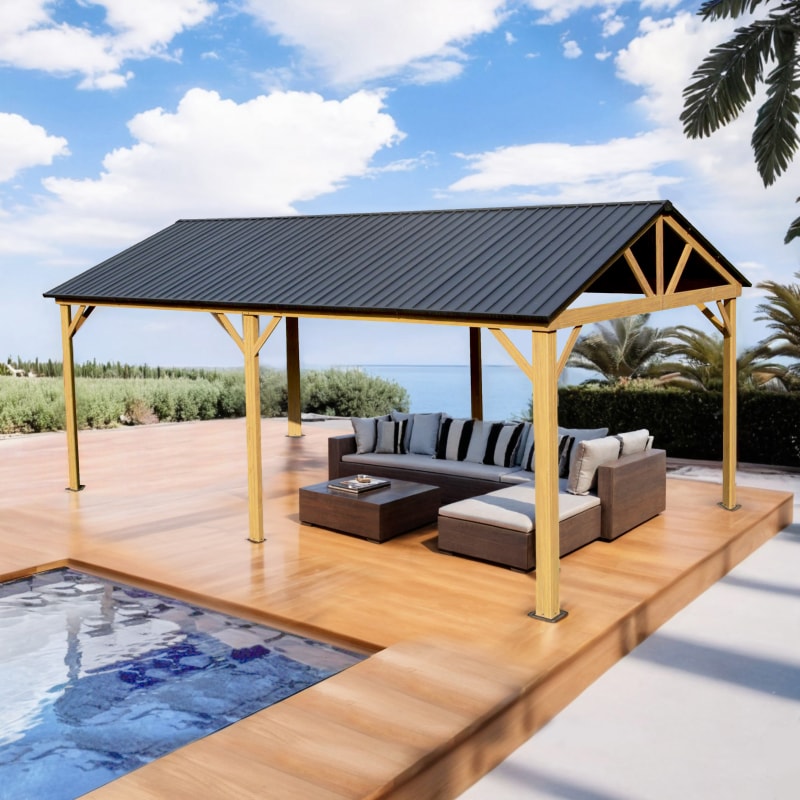
For those torn between a pergola and a gazebo, one question often comes to mind: Can I combine a pergola and a gazebo? The good news is—yes, you absolutely can. In fact, blending the two structures allows you to enjoy the best of both worlds. This gazebo pergola combo merges the open, breathable design of a pergola with the full coverage and shelter of a gazebo, creating a multifunctional and visually dynamic outdoor space.
1. Pergola with a Gazebo-Style Roof
One popular gazebo pergola combo idea is building a pergola frame with a more protective roof structure. Instead of a traditional open slatted roof, you can add a solid roof for increased shade and rain protection. Some homeowners opt for a louvered roof, which allows you to adjust the slats for airflow, sunlight, or full cover—perfect for unpredictable weather.
2. Gazebo with Pergola Elements
Another option is to start with a gazebo and incorporate pergola-style features, like decorative lattice sides or open beams. These details can soften the look and make space for climbing plants like vines or roses, blending structure with nature beautifully. This design works well if you're aiming for a more romantic or garden-inspired look while still benefiting from the gazebo’s full roof coverage.
3. Side-by-Side Combo Structure
For larger outdoor areas, you might create a zoned layout—one section built like a pergola for open dining or grilling, and another like a gazebo for covered lounging or reading. These mixed-use combos help divide your space by function while keeping everything visually connected through similar materials or colors.
Key Things to Consider
- Functionality: Think about how you’ll use the space. Do you need weather protection for seating? Open air for dining? Design the combo to support both.
- Aesthetic Balance: Use complementary styles and finishes so the structure feels unified rather than pieced together.
- Budget: A gazebo and pergola combo may cost more due to its added complexity, so plan accordingly.
- Climate: If you live in an area with strong sun or frequent rain, prioritize shade and cover in the gazebo portion.
Pergola and Gazebo Decoration Ideas
Both pergolas and gazebos can be transformed into cozy, stylish outdoor retreats with the right decor. Whether you’re going for a rustic garden vibe or a sophisticated lounge area, here are some decoration ideas tailored for each structure to bring your pergola and gazebo to life.
Pergola Decoration Ideas
1. Climbing Plants & Greenery
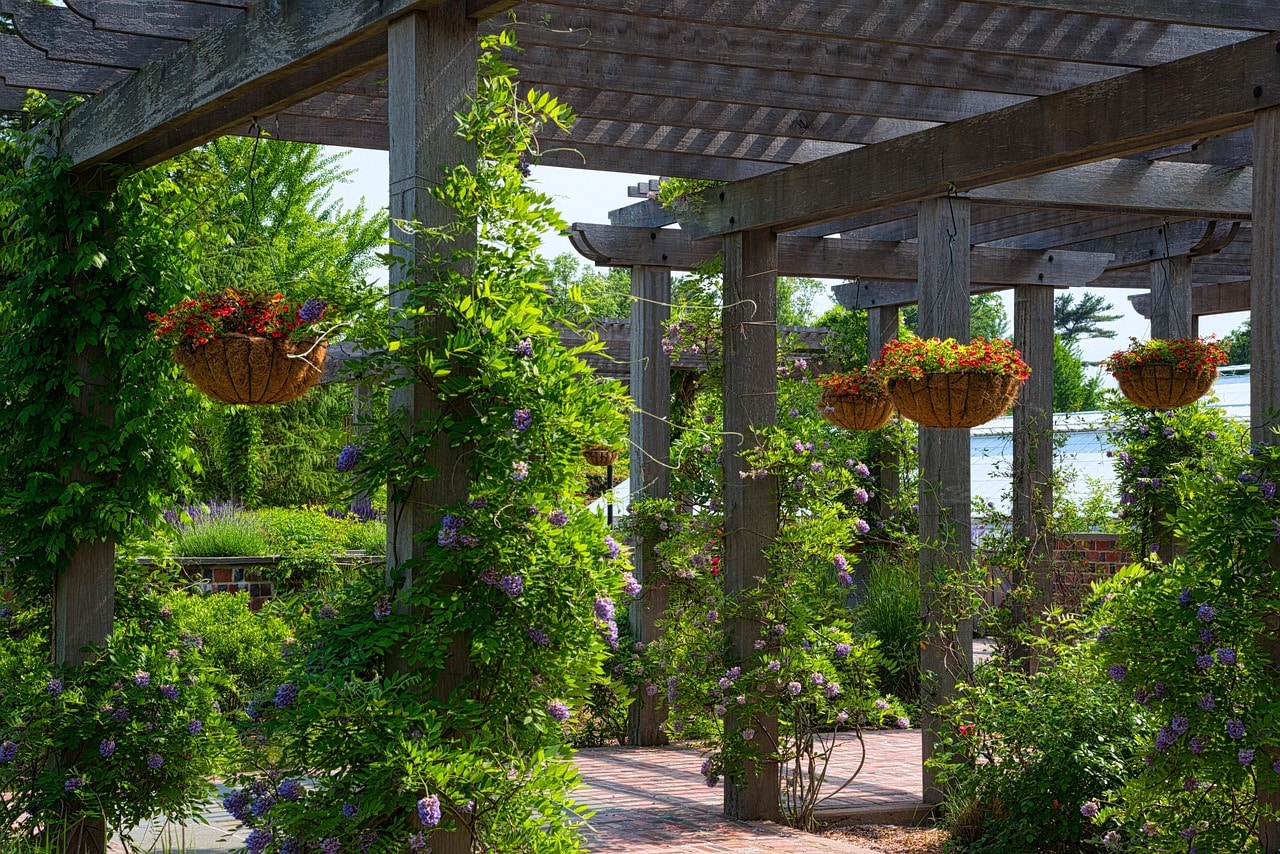
Pergolas shine when paired with nature. Train climbing plants like wisteria, jasmine, or climbing roses to grow along the beams and posts—creating a lush, fragrant canopy. Hanging planters with trailing vines or colorful blooms can also add vertical interest.
2. Lights & Drapes
String lights wrapped around the beams or draped across the roof slats create a warm, enchanting atmosphere for evening gatherings. Add soft fabric drapes in neutral tones for a touch of elegance and privacy—they flutter beautifully in the breeze and can double as sun protection.
3. Outdoor Furniture & Layout
Pergolas pair well with lounge furniture—think cushioned sectionals, hammocks, or even an outdoor rug to ground the space. If your pergola is attached to a deck or patio, it’s a perfect spot for an alfresco dining setup.
4. Seasonal Touches
Celebrate the seasons with themed accents—mini pumpkins and plaid blankets in fall, string lights and greenery garlands during the holidays, or light pastel fabrics and fresh florals in spring. Pergolas are easy to adapt for every occasion.
Gazebo Decoration Ideas
1. Vertical Gardens & Planters
Gazebos, often more enclosed, benefit from vertical accents. Use climbing ivy or potted plants placed along the entrance or corners. Artificial hedges or cedar screens can provide privacy while adding lush greenery.
2. Ambient Lighting
Fairy lights, lanterns, or pendant lights hung from the ceiling bring a cozy charm to gazebos. Try clustering lanterns at varying heights or using flameless candles for a soft evening glow. Add solar wall sconces for a practical lighting boost.
3. Furnishings & Statement Pieces
Make your gazebo feel like an outdoor living room. Include a cushioned loveseat, coffee table, and even a small bookshelf or bar cart. Want a bold look? Add a hanging egg chair or a weather-resistant statement sculpture as a focal point.
4. Seasonal Themes
Gazebos are great for creating themed retreats—think a Moroccan-inspired nook with vibrant pillows and patterned drapes, or a winter lodge feel with faux fur throws and pine garlands.
Conclusion
At the end of the day, the best choice between a pergola and a gazebo depends on your lifestyle, space, and personal style. Pergolas offer open-air elegance with plenty of customization, while gazebos bring classic charm and full coverage. Whether you choose one or blend both, you’re investing in an outdoor upgrade that enhances comfort, beauty, and functionality.
FAQs About Pergolas and Gazebos
1. Can a gazebo or pergola add value to my home?
Yes. Both structures can increase your home’s curb appeal and outdoor usability, especially if well-designed and maintained. A gazebo often adds more perceived value due to its enclosed style, while a modern pergola offers flexibility and upscale visual appeal.
2. Are there prefab pergola and gazebo kits available?
Absolutely. Many retailers offer pergola and gazebo kits in aluminum, wood, or vinyl. These come with pre-cut parts and instructions for easier DIY installation—ideal if you’re looking for a budget-friendly upgrade without hiring a contractor.
3. Is a metal pergola or gazebo better than wood?
Each material has pros and cons. Metal pergolas and gazebos (especially aluminum or steel) offer better durability, weather resistance, and lower maintenance. Wood brings a more natural, classic look but requires sealing and periodic care.
4. Do I need a permit to build a pergola or gazebo?
In many areas, small pergolas (especially under a certain height or square footage) do not require permits. Gazebos, due to their roofed and enclosed design, more often require local approval. Always check with your local building authority.
5. How long do pergolas and gazebos typically last?
Lifespan depends on the material and maintenance. A metal pergola or gazebo (aluminum or galvanized steel) can last 15–25 years with minimal upkeep. Wooden structures may last 10–20 years but need sealing and weather protection regularly.
6. Are pergolas or gazebos easier to maintain?
Pergolas, especially in metal or vinyl, are generally easier to maintain due to their open design and fewer enclosed surfaces. Gazebos may require more cleaning and care, especially the roof and interior, to prevent mildew or wear over time.